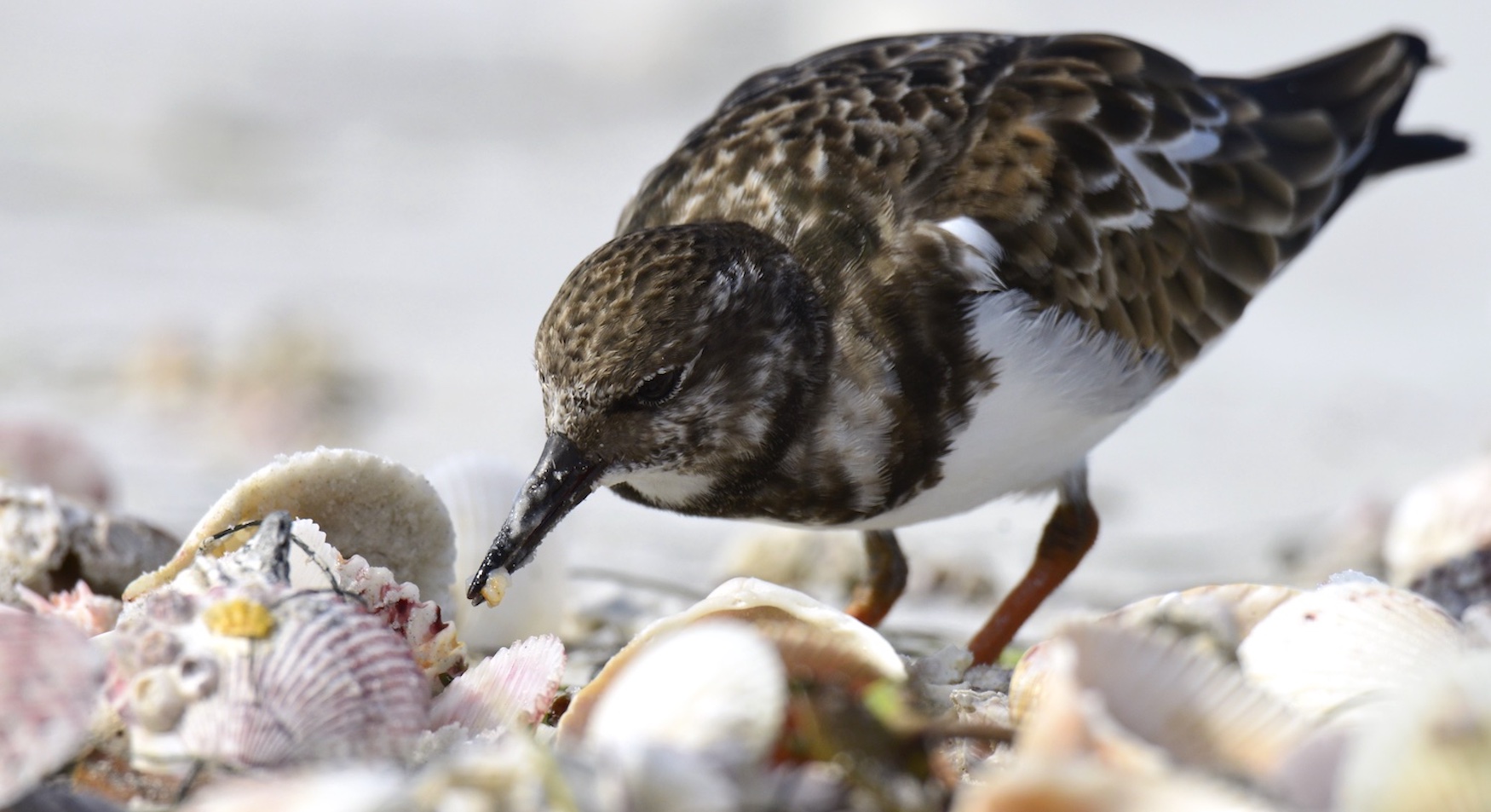
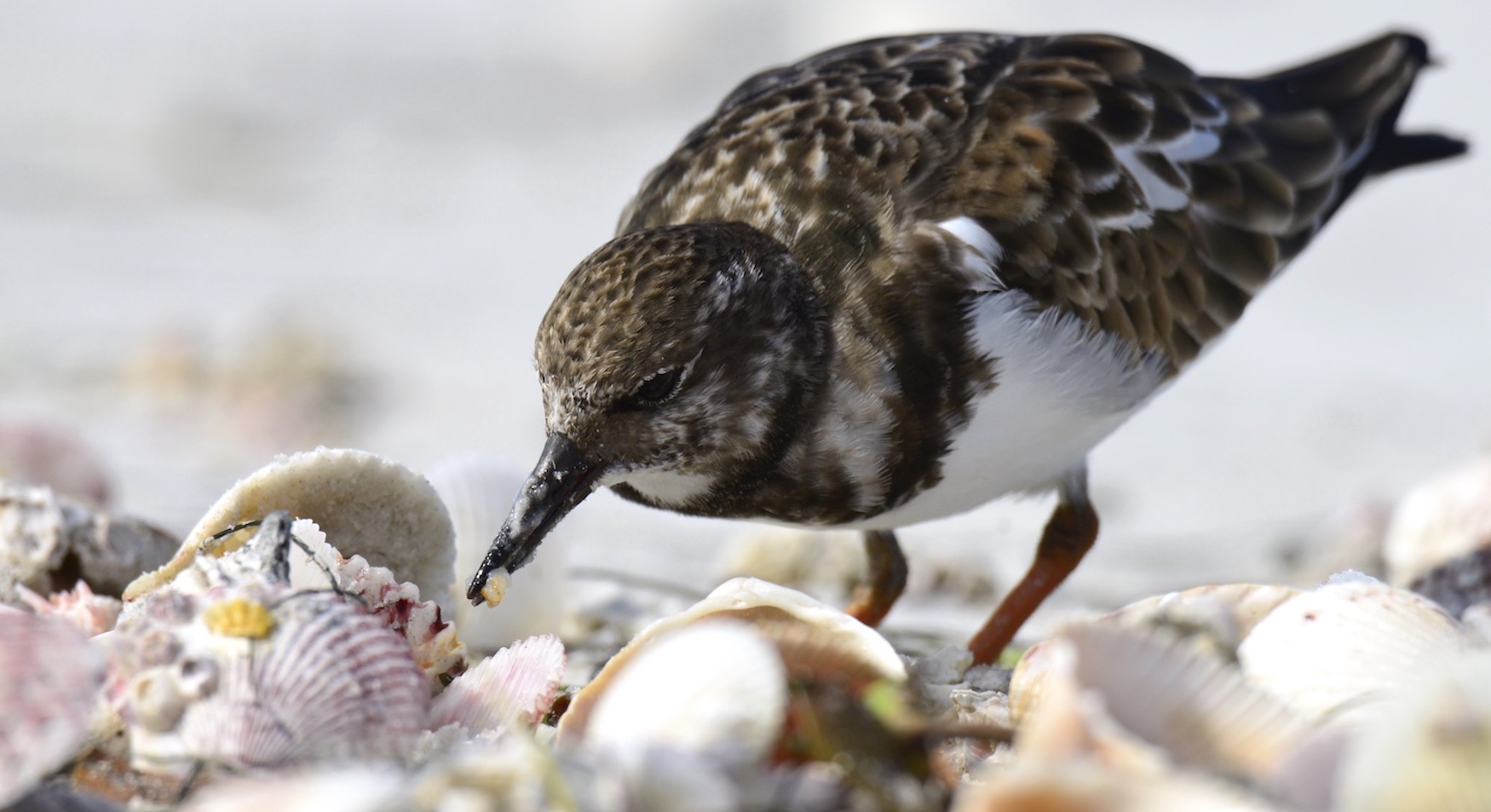
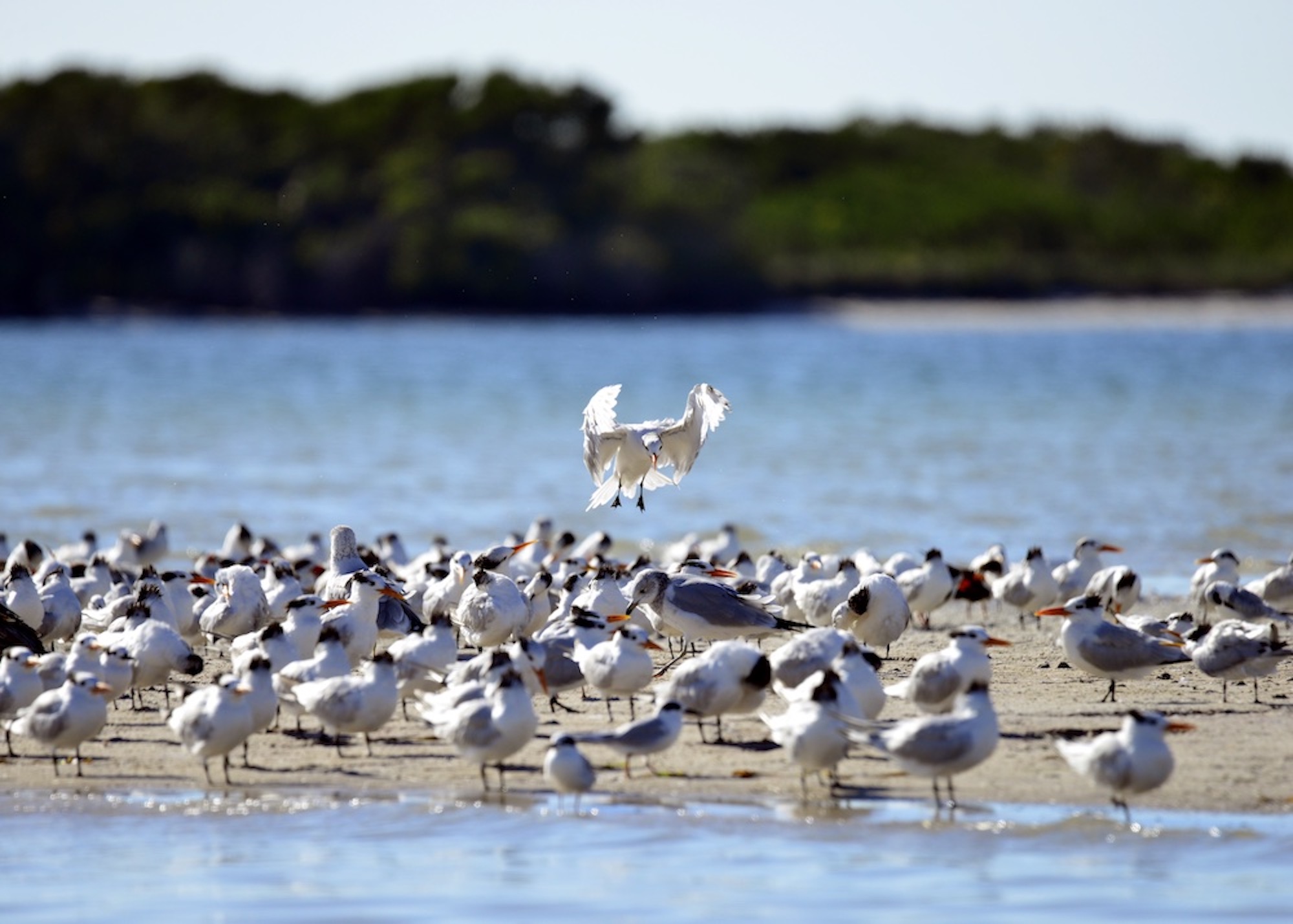
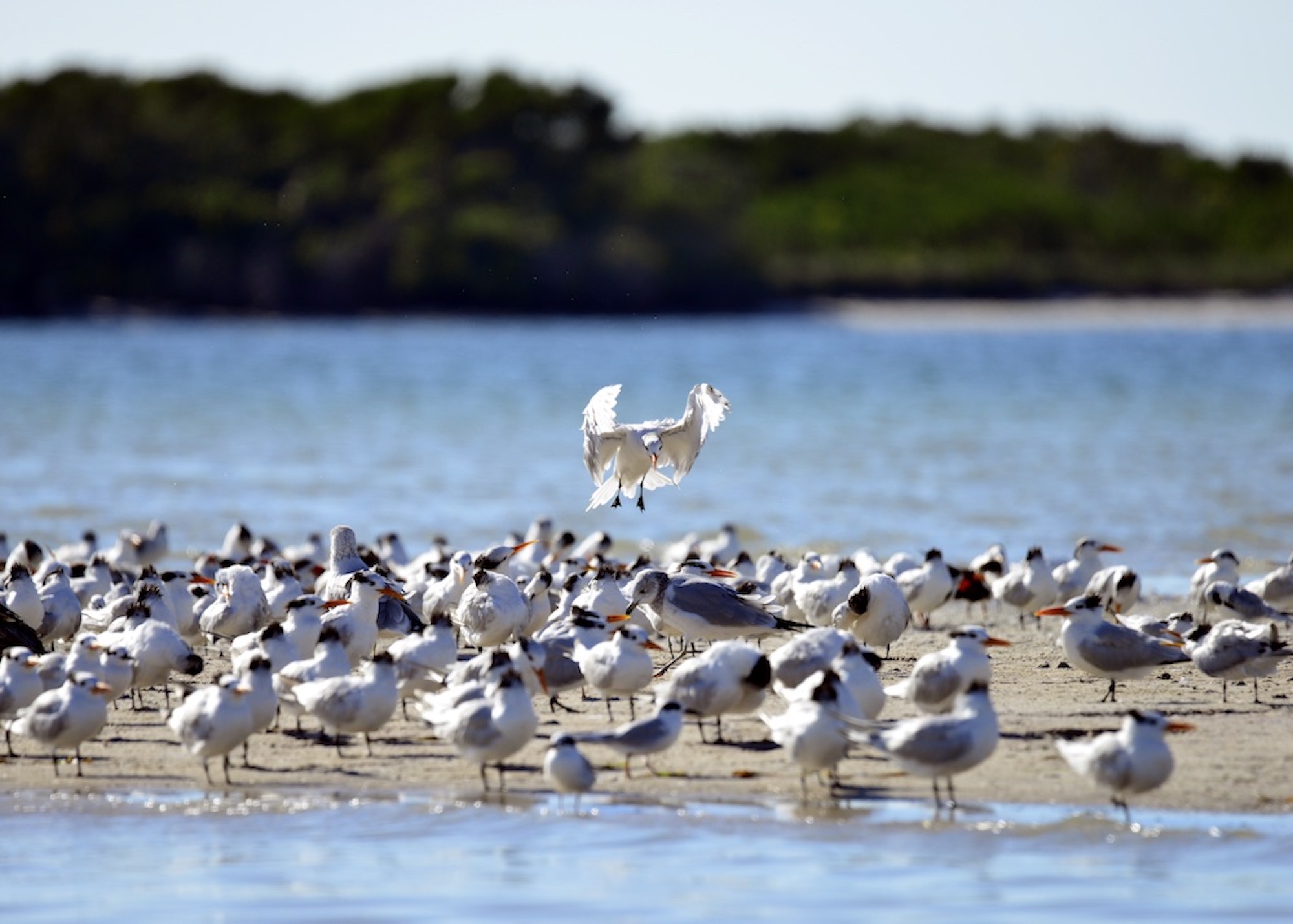
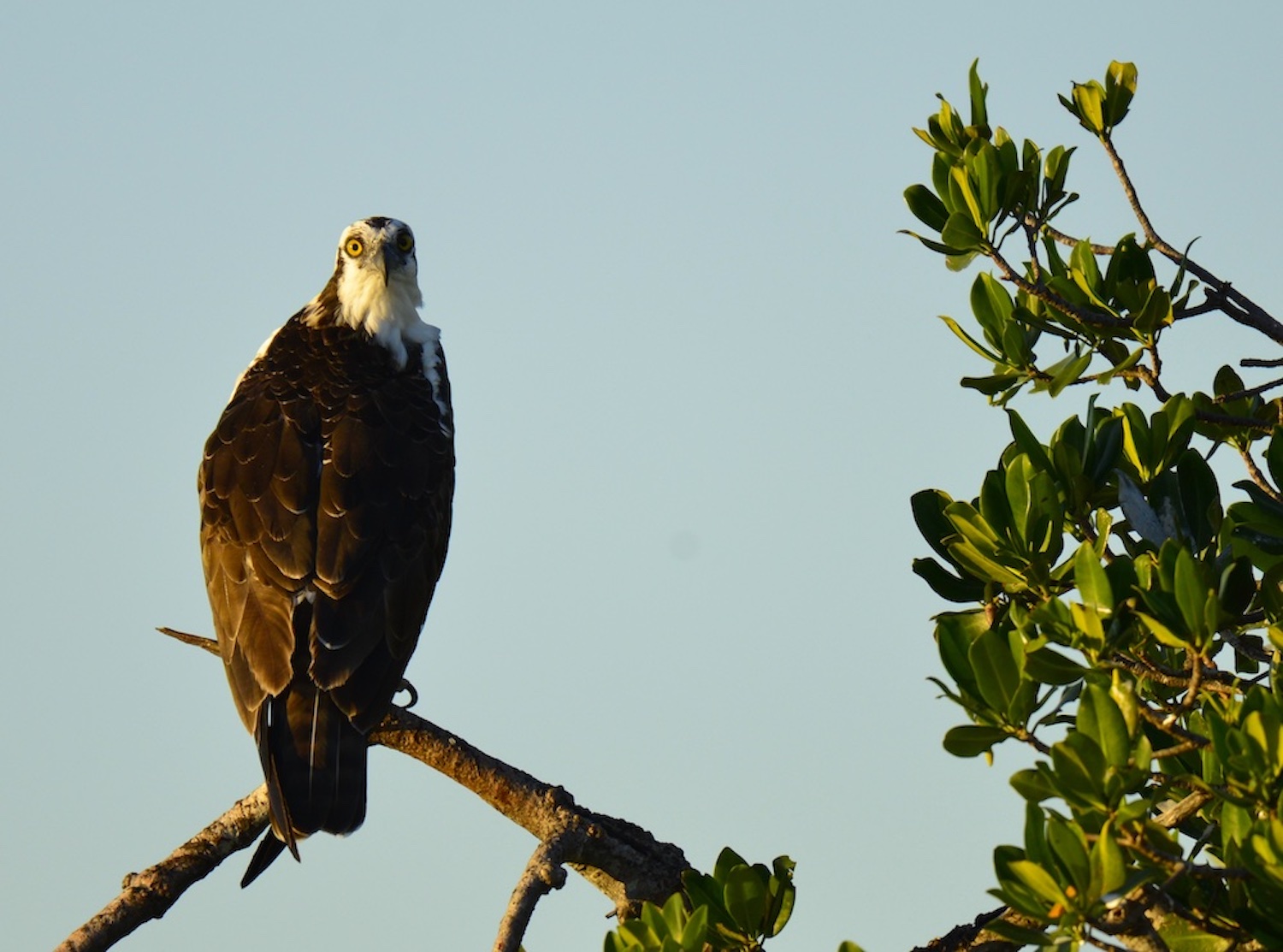
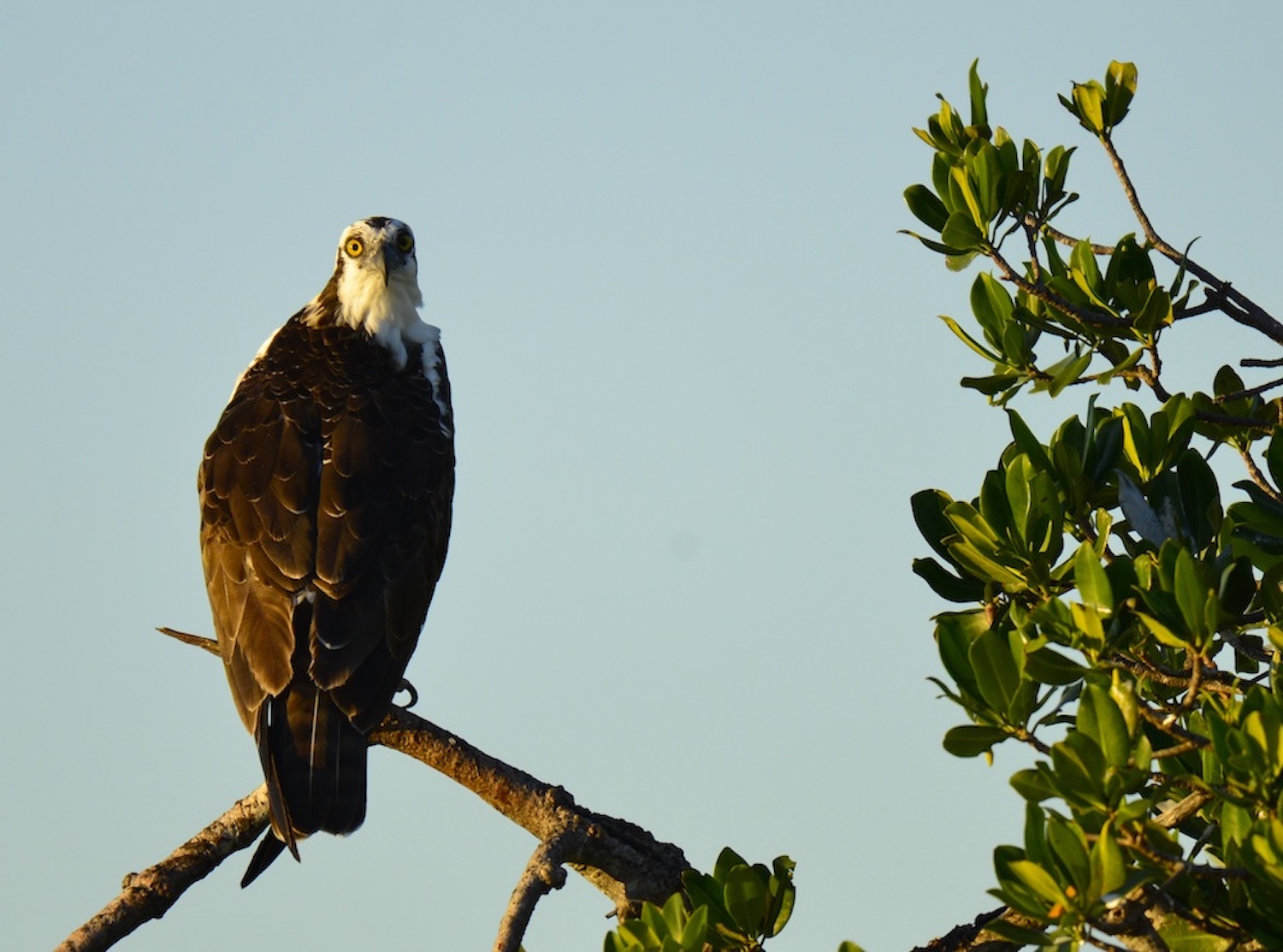
Osprey – IUCN Conservation Status: Least Concern Osprey are apex predators and can be found along coastlines, rivers, and lakes This large raptor is built for fishing. So much so that it also goes by “fish hawk”, “sea hawk”, and “river hawk”. Not surprisingly, fish make up 99% of an osprey’s diet. These birds can be found across […]
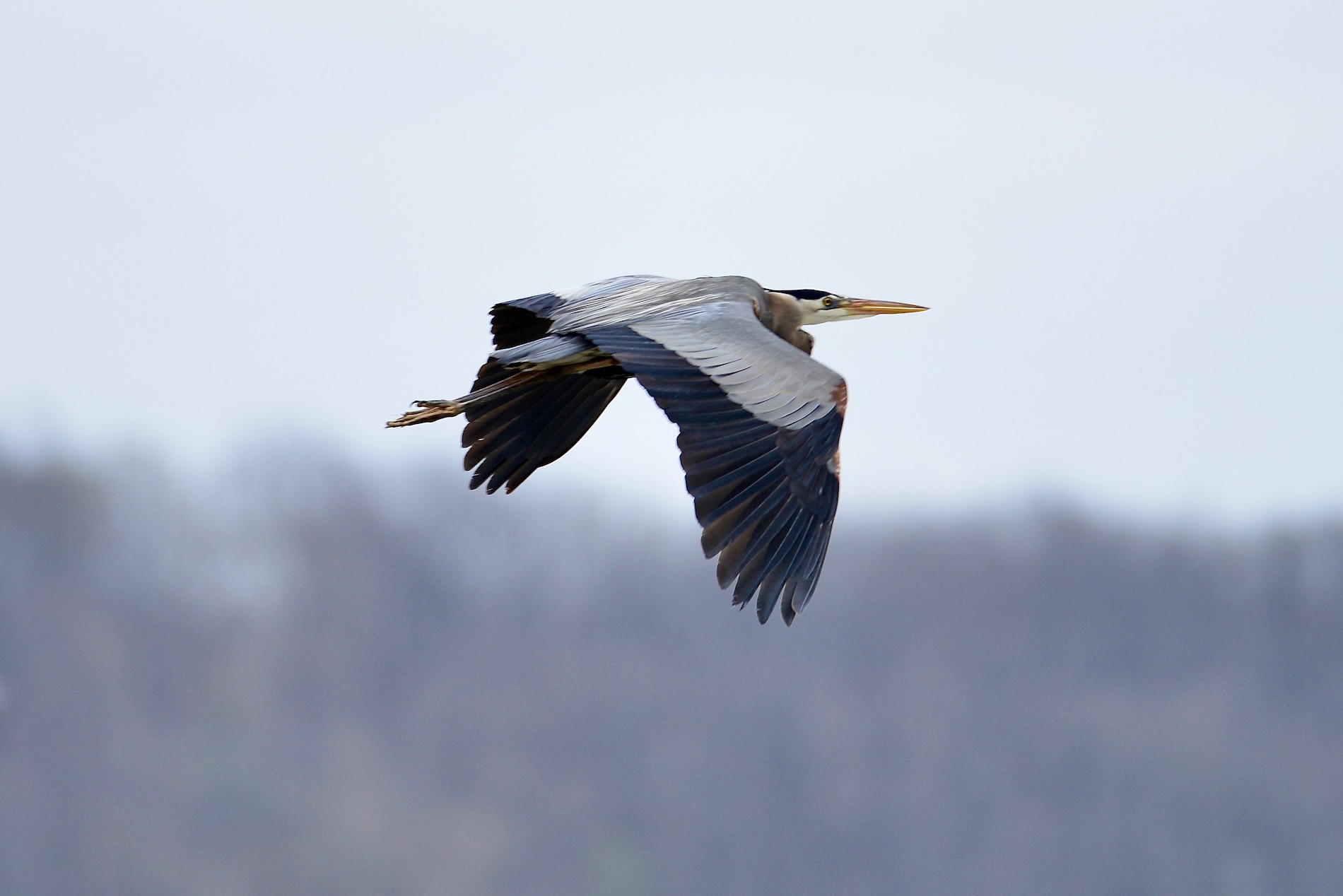
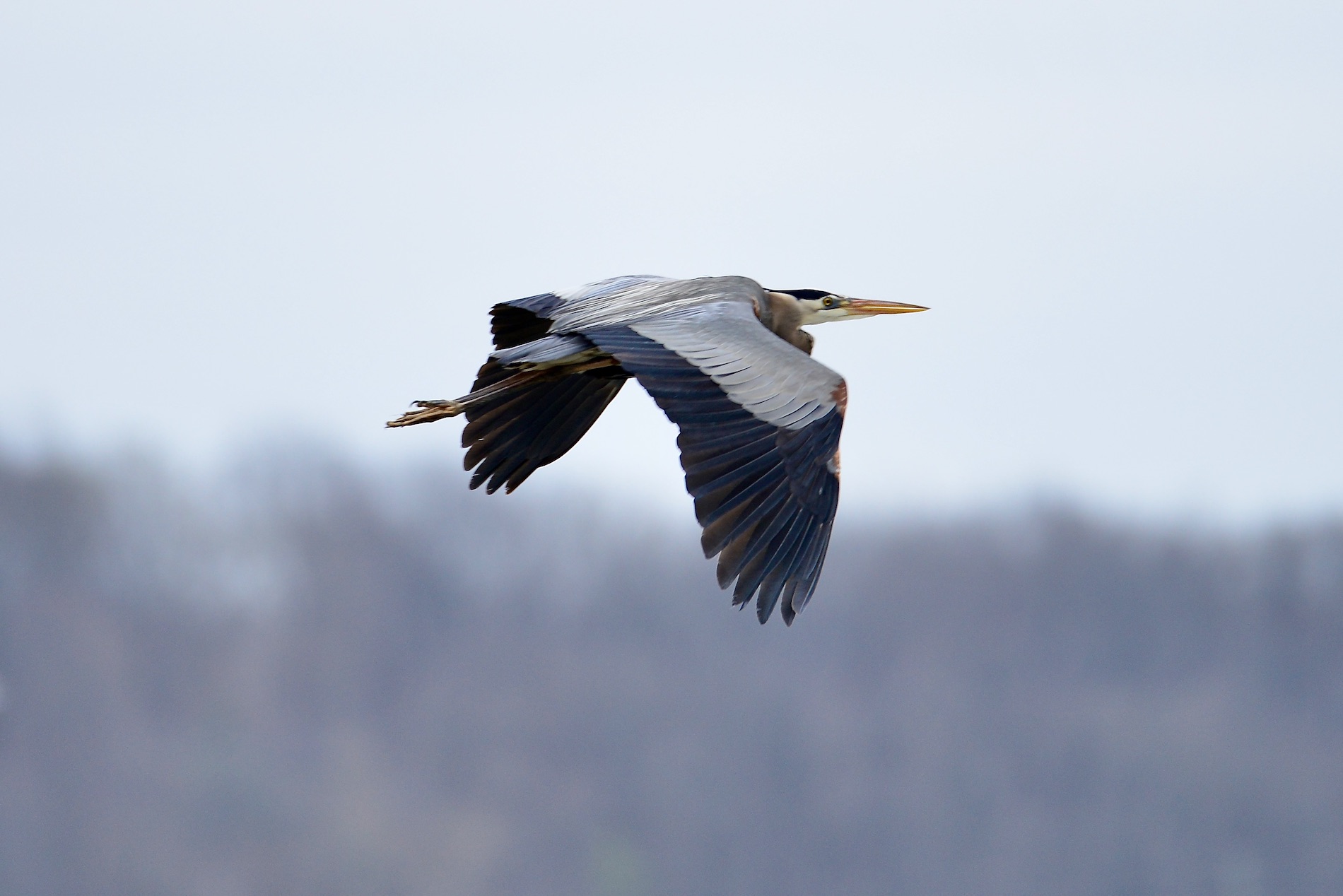
Great Blue Heron in Flight
Great Blue Heron – IUCN Conservation Status: Least Concern Great blue herons have a wingspan of over six feet! This photo is of a great blue heron flying over Eagle Creek reservoir in Indiana. I was lucky enough to take this photo on a day that I had rented a super-telephoto lens. These types of […]
Loon
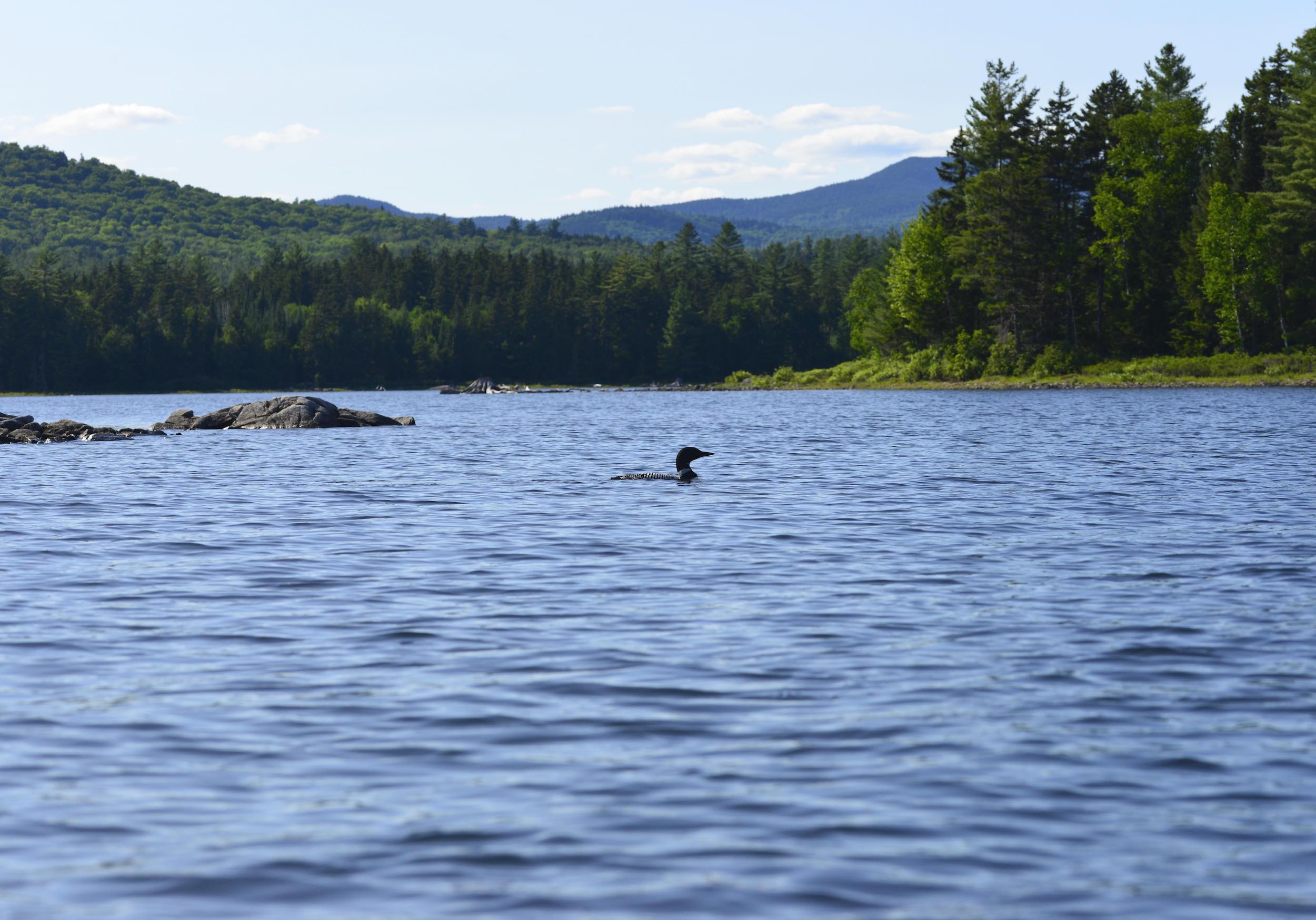
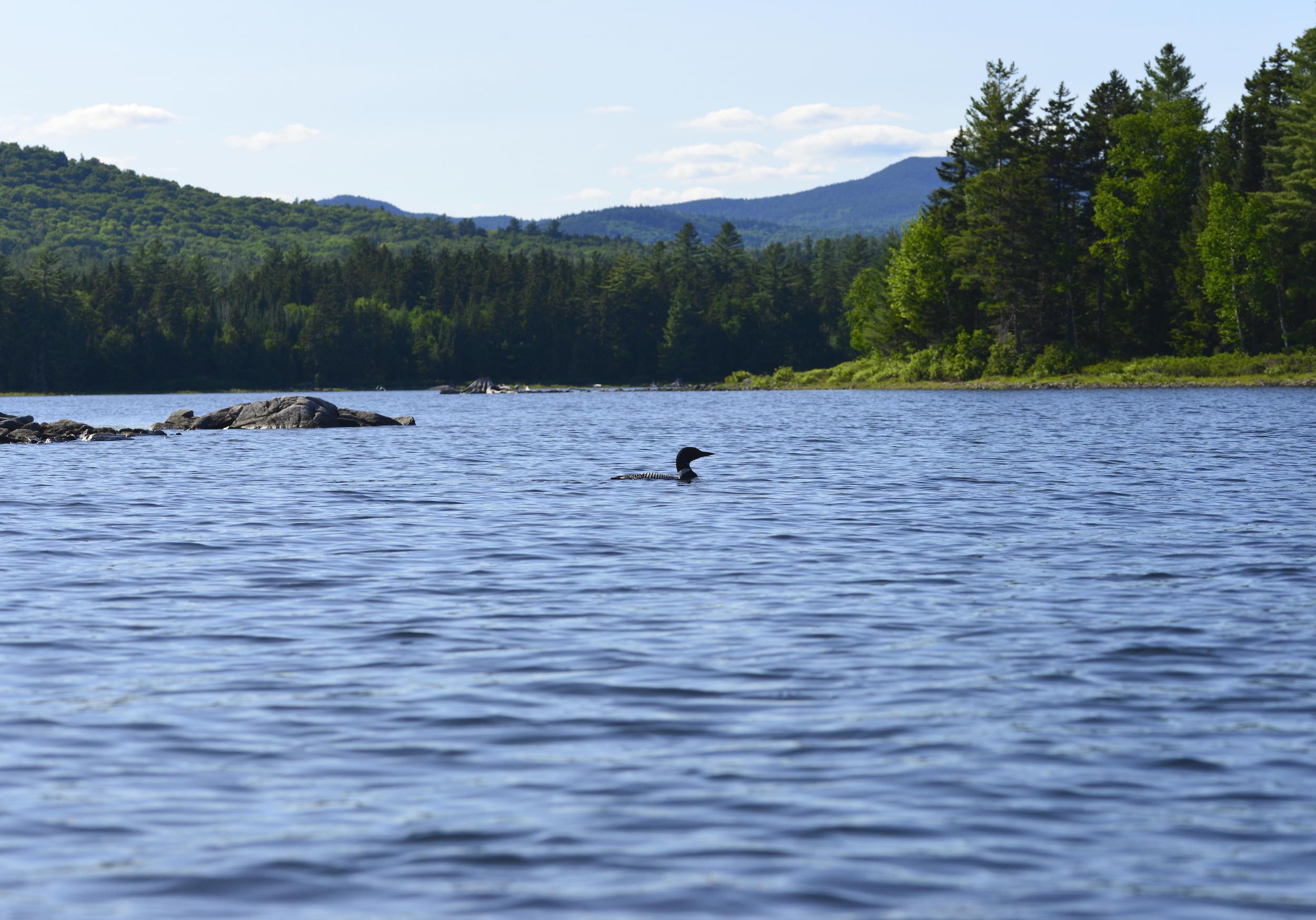
Common Loon – IUCN Conservation Status: Least Concern Loons are often confused with ducks because they are about the same size and also swim like a duck. In the remote northwestern corner of Maine is a large lake with a large name, “Mooselookmeguntic”. The word comes from the Abnaki and means “moose feeding place”. It is technically […]
Snowy Owl at Sunset
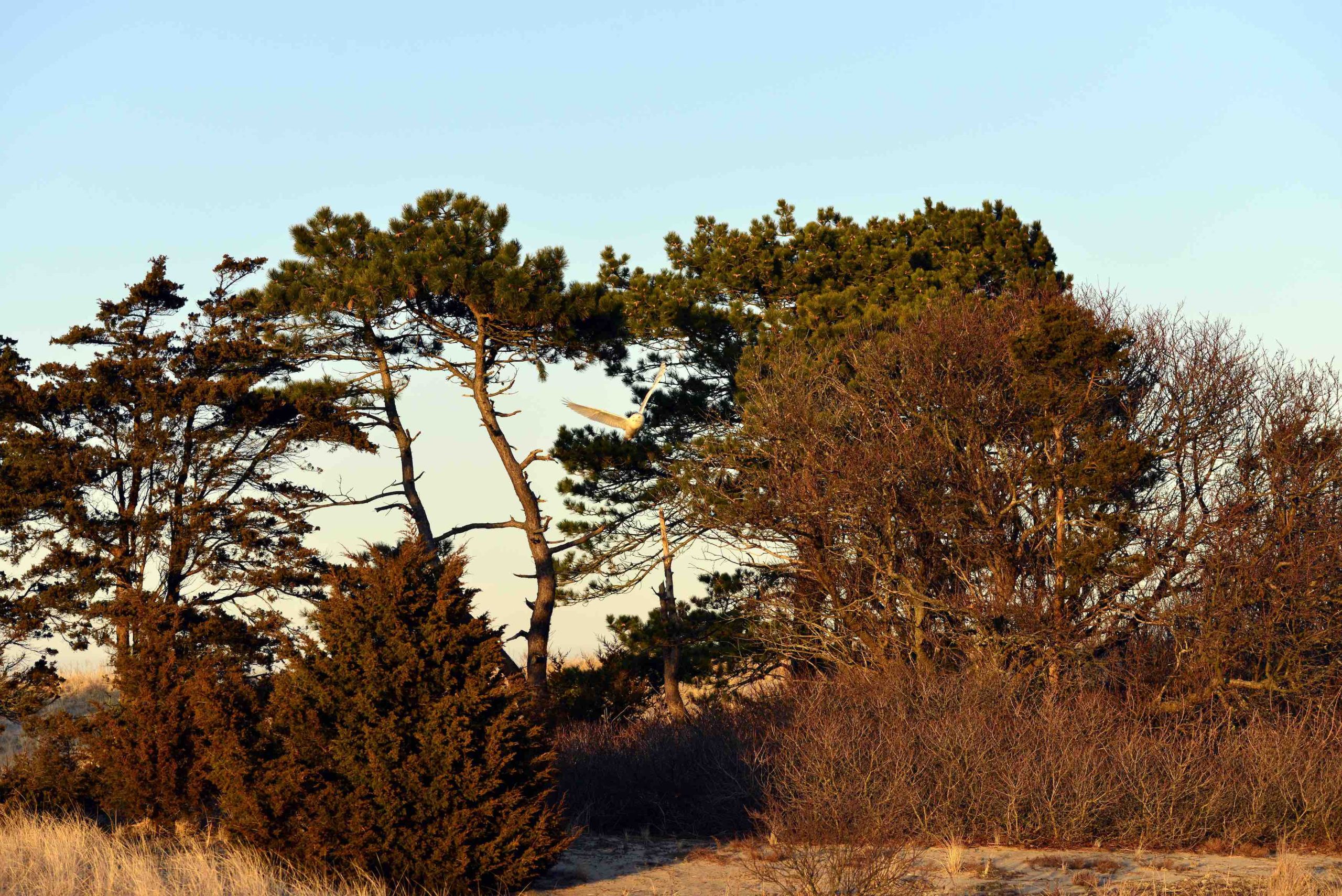
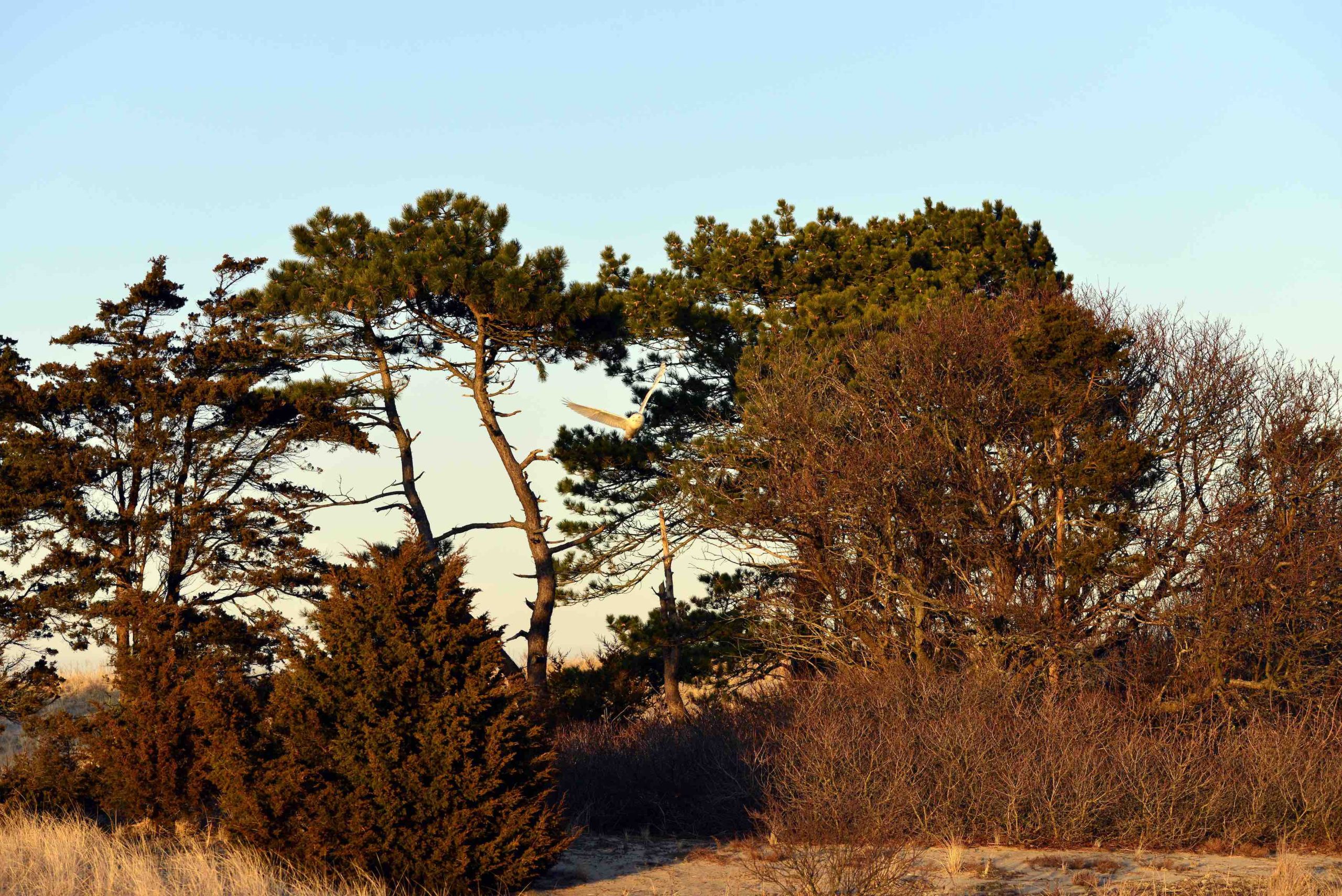
Snowy Owl – IUCN Conservation Status: Vulnerable Snowy owls only head south once every 4 years or so In this photo, a snowy owl takes off from a tree at sunset. I had been watching it for over an hour. The moment is exciting. As the zoomed-in photo shows, these are heavy birds with big wingspans. Their abundance of […]
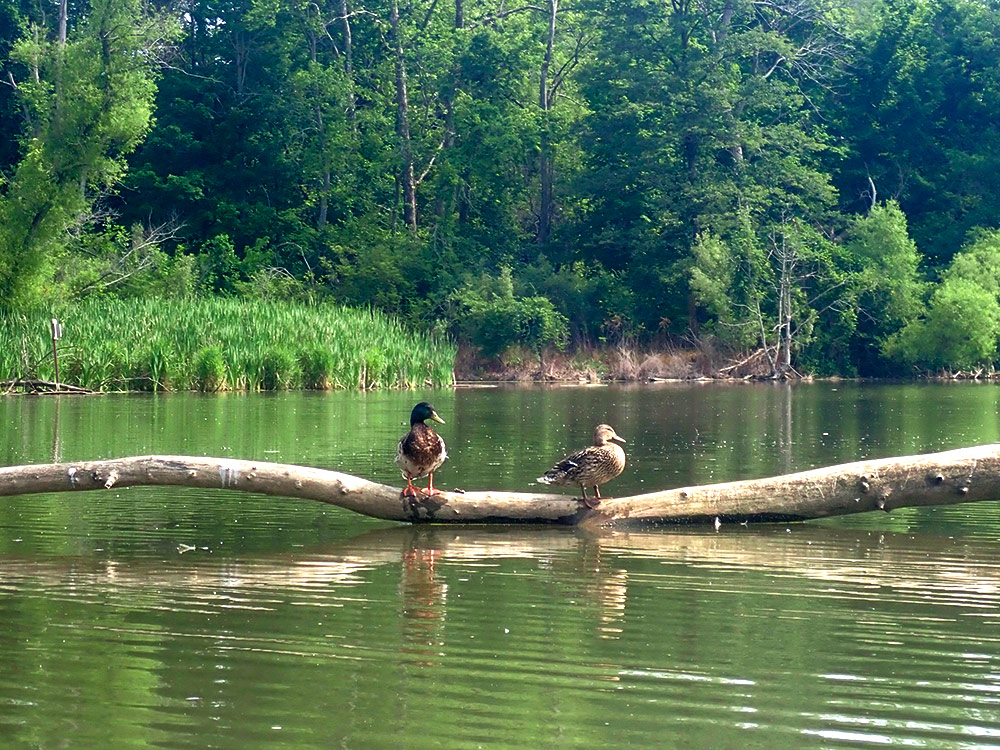
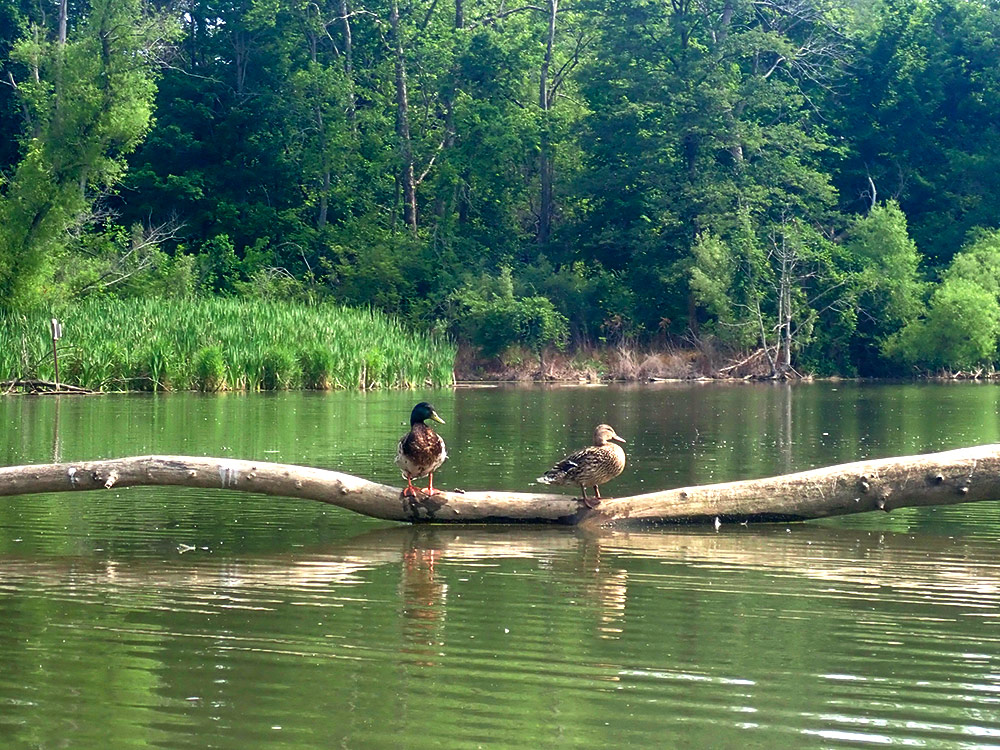
Mallards
Mallards – IUCN Conservation Status: LEAST CONCERN Mallards are the most common duck in North America I took this photo while kayaking on Eagle Creek Reservoir. You can often see mallards while at this park. On this day, I was on the far north end of the reservoir when I came across these two. This […]
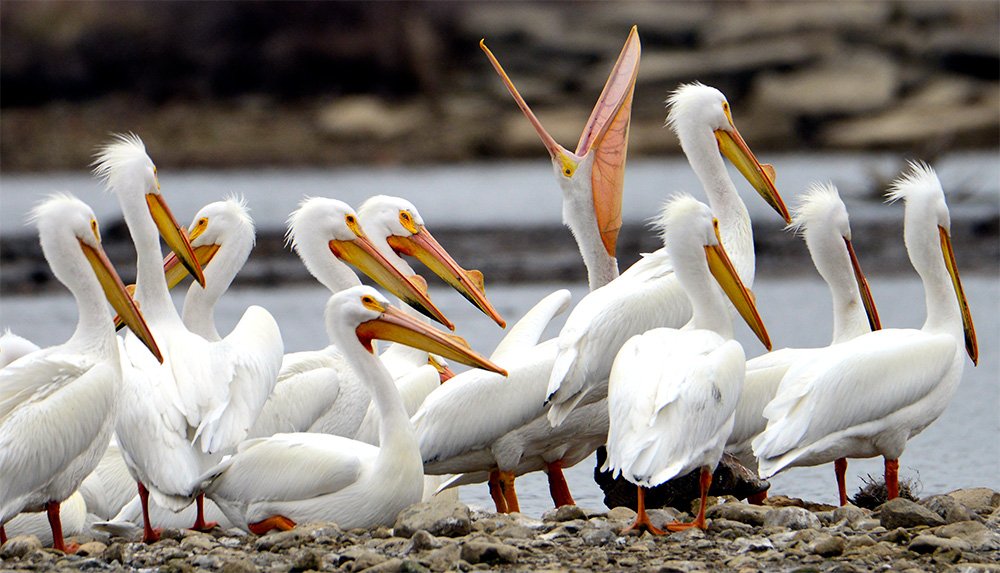
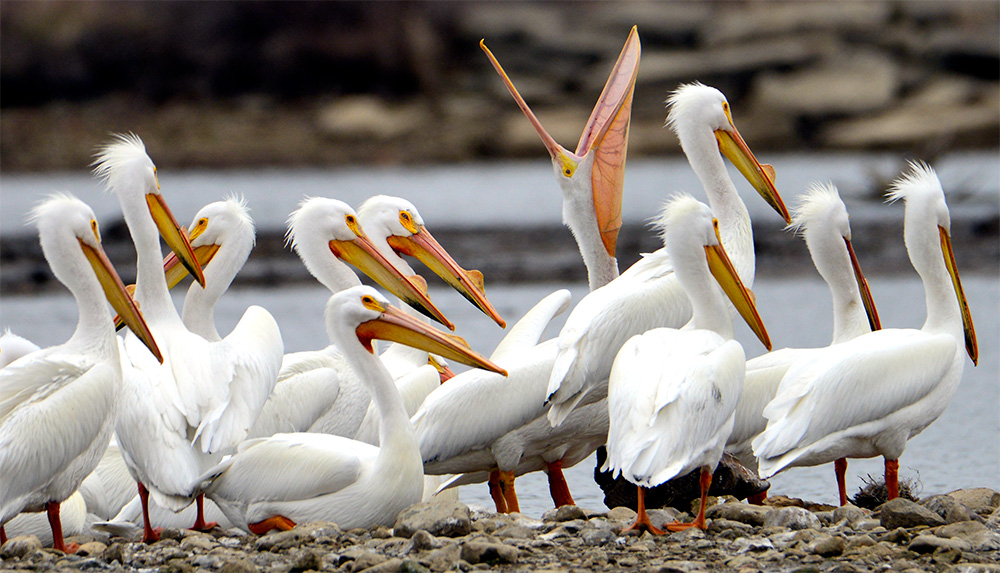
White Pelican
American White Pelican – IUCN Conservation Status: Least Concern The beak of American white pelicans can be as long as 15 inches! American white pelicans can grow to be over five feet in length! Part of that length is their beak, which can grow to be fifteen inches long! Adult wingspans can approach ten feet. These birds typically […]
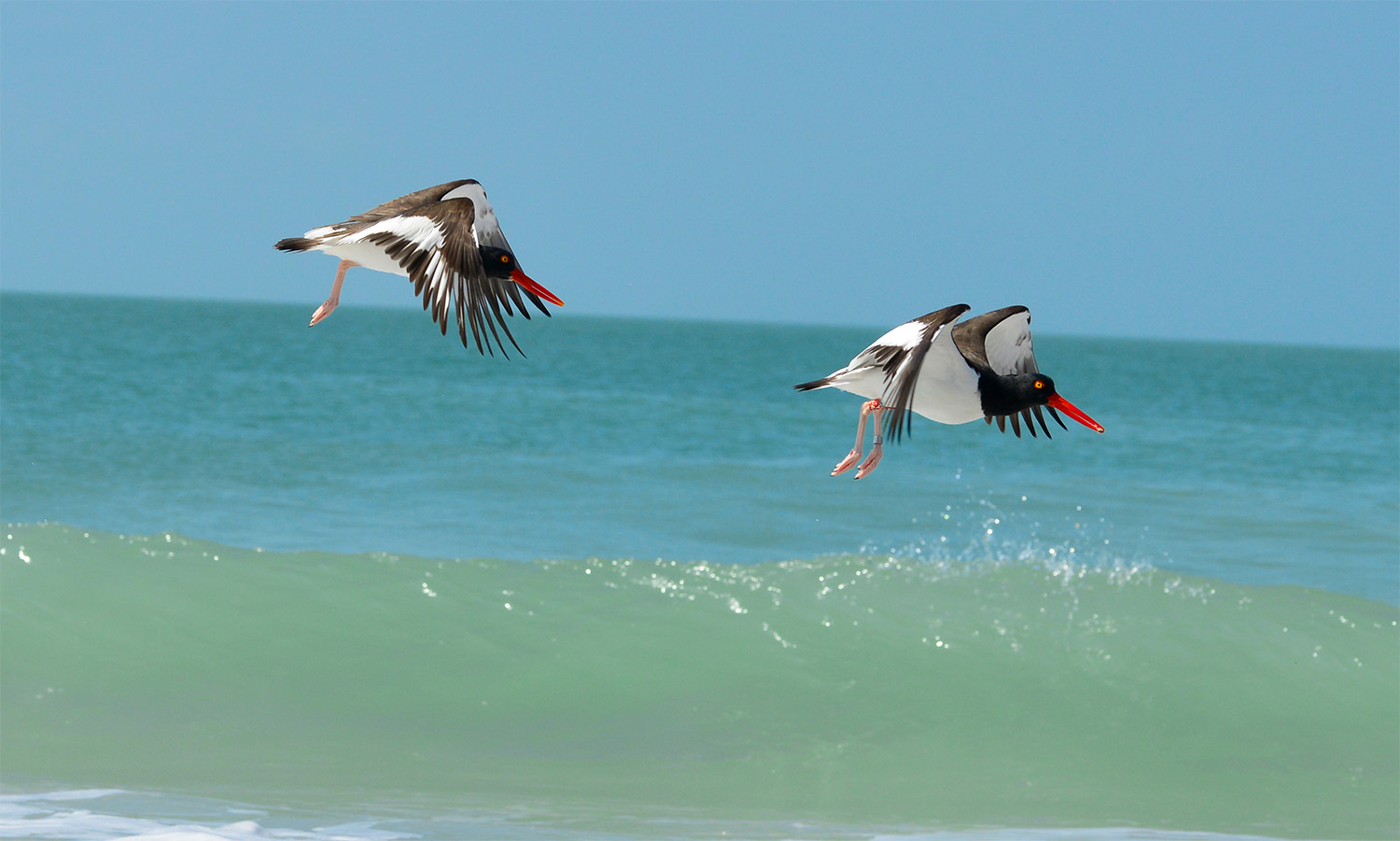
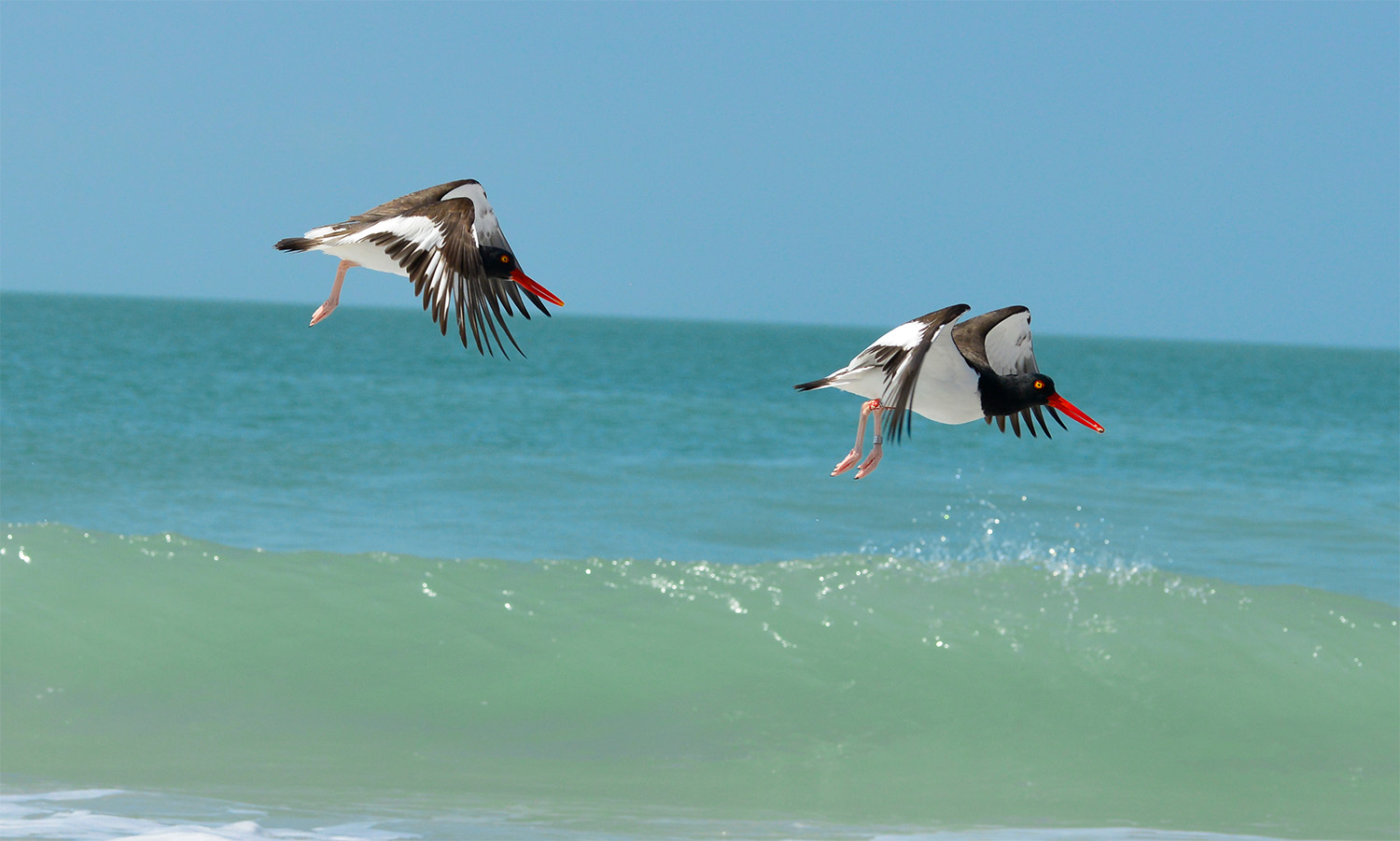
Oystercatcher
American Oystercatcher – IUCN Conservation Status: Least Concern The orbital ring of an oystercatcher is orange-red This exotic looking bird is called an American oystercatcher, and it can be found in North, Central, and South America. This bird has a distinctive large orange beak that is used to access and consume shellfish. Obviously, oystercatchers catch oysters, but […]
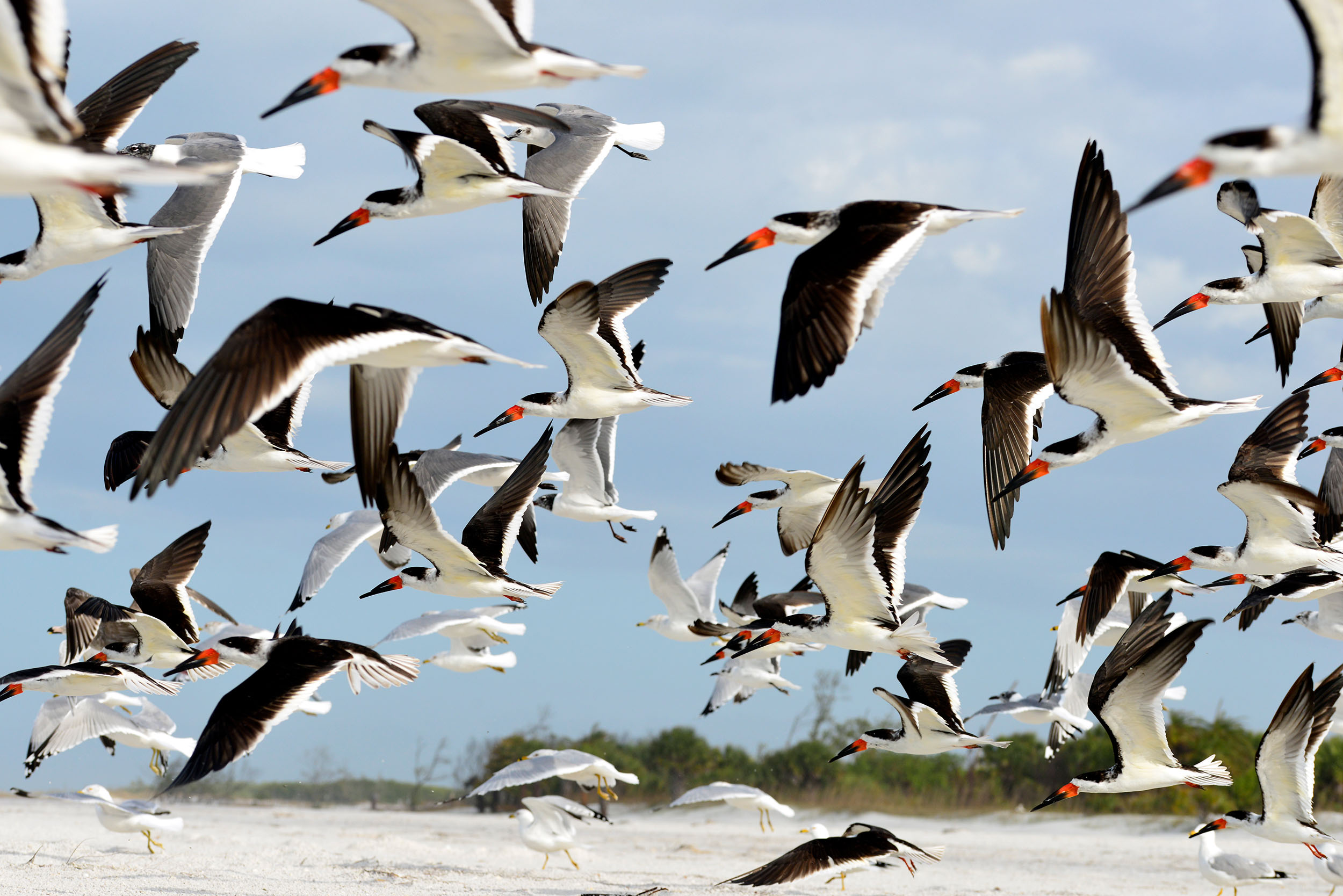
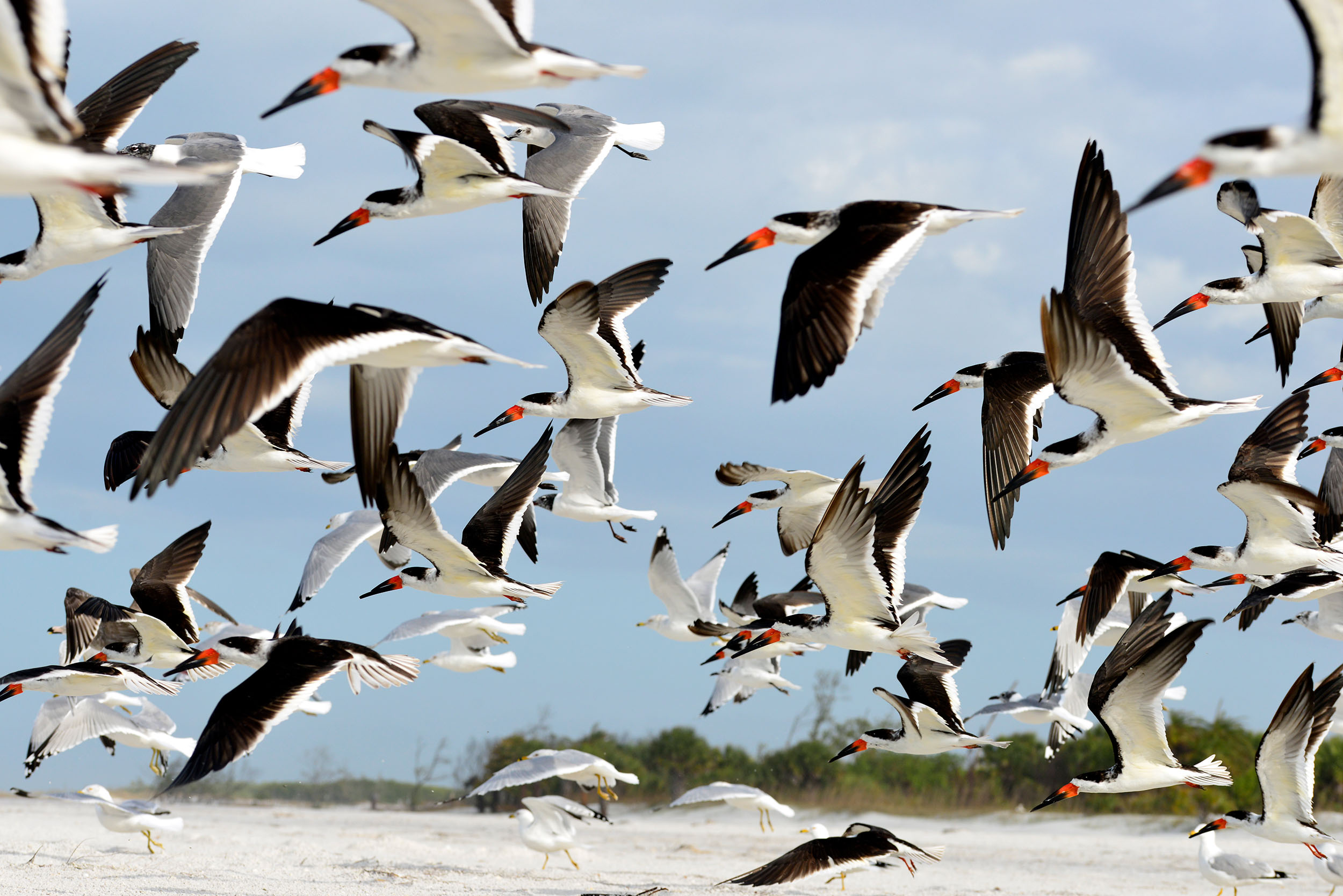
Black Skimmer
Black Skimmer – IUCN Conservation Status: Least Concern It takes less than a month for a black skimmer to learn to fly! This is what it looks like inside a flock of black skimmers. Let’s unpack what we are looking at. This seabird is mostly black, with a white head. It has a unique beak. The base of the […]
Mexican Jay
Mexican Jay – IUCN Conservation Status: Least Concern Mexican jays are closely related to crows and magpies Matt, Kenny, Nick, and I were descending from Emory Peak in Big Bend National Park when we came across this blue bird sitting in a tree. It was just a little bit above head height, as we were […]
Snowy Egret
Snowy Egret – IUCN Conservation Status: Least Concern This photo is courtesy of a long walk on the beach This photo of a snowy egret was taken while on a birding walk on Siesta Key beach in Florida. For my birthday, I had received a rental from LensRentals.com. I had decided to rent a Sigma […]