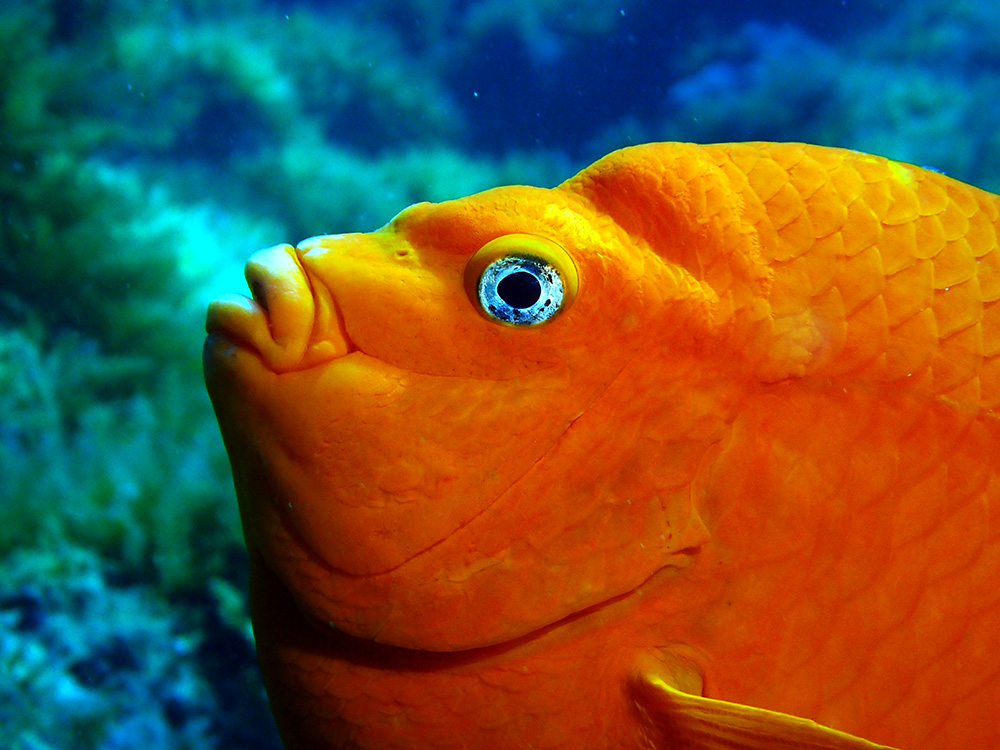
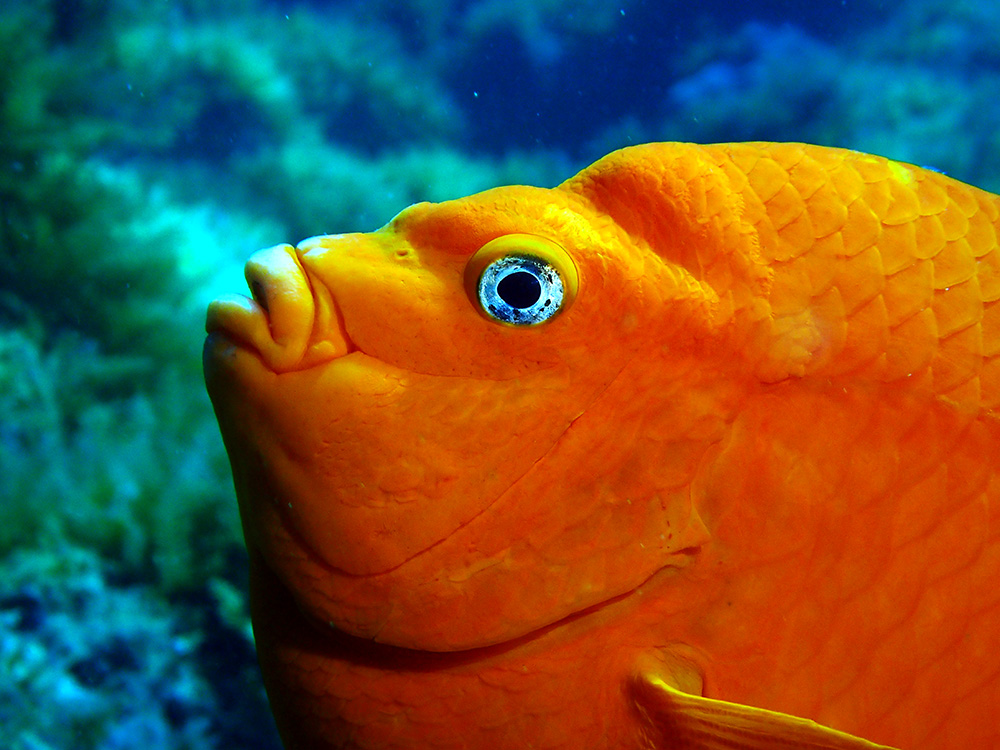
IUCN Conservation Status: Least Concern Not only are the kelp forests protection for the garibaldi, they are also a source of food. This fish is named after a 19th century Italian leader, Giuseppe Garibaldi. Why? Garibaldi took up a fashion for wearing orange/red shirts. Later this orange/red shirt became his army’s uniform. This vibrant colored fish was photographed at […]
Redspotted Hawkfish
Redspotted Hawkfish – IUCN Conservation Status: Least Concern These fish can be very shy This is the only species of hawkfish we have in the Atlantic basin! This 2”-3” reef dwelling fish was common to see where I used to live, in the Florida Keys. However, this fish was also a challenging one to get a photo […]
Stargazer
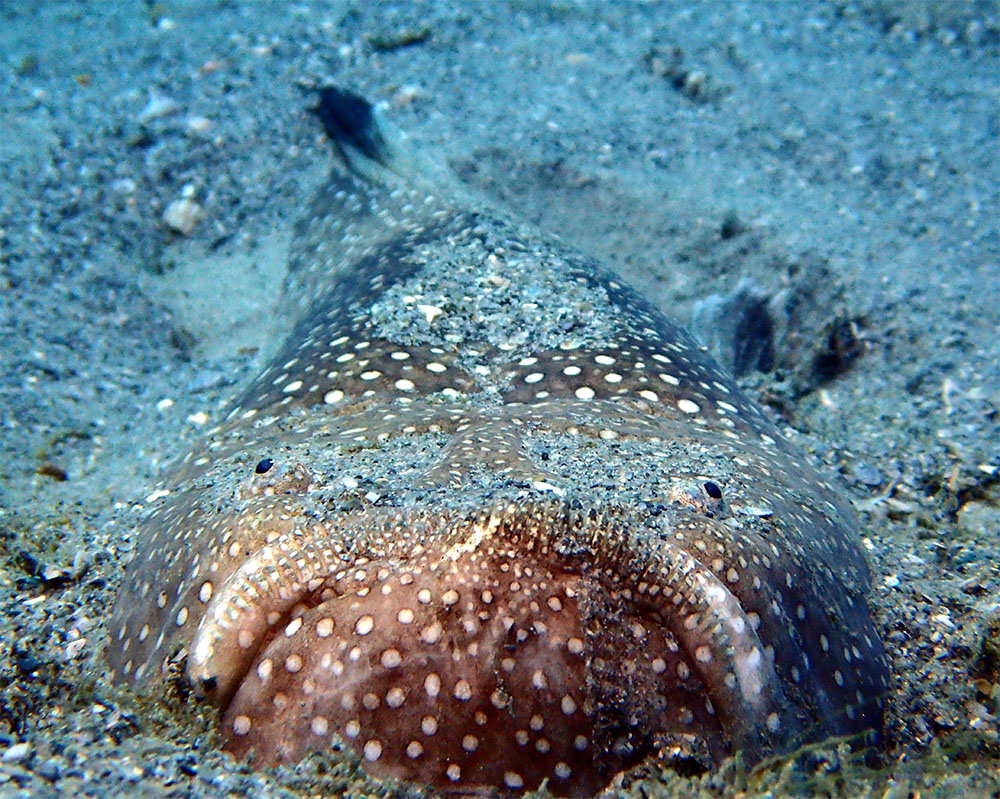
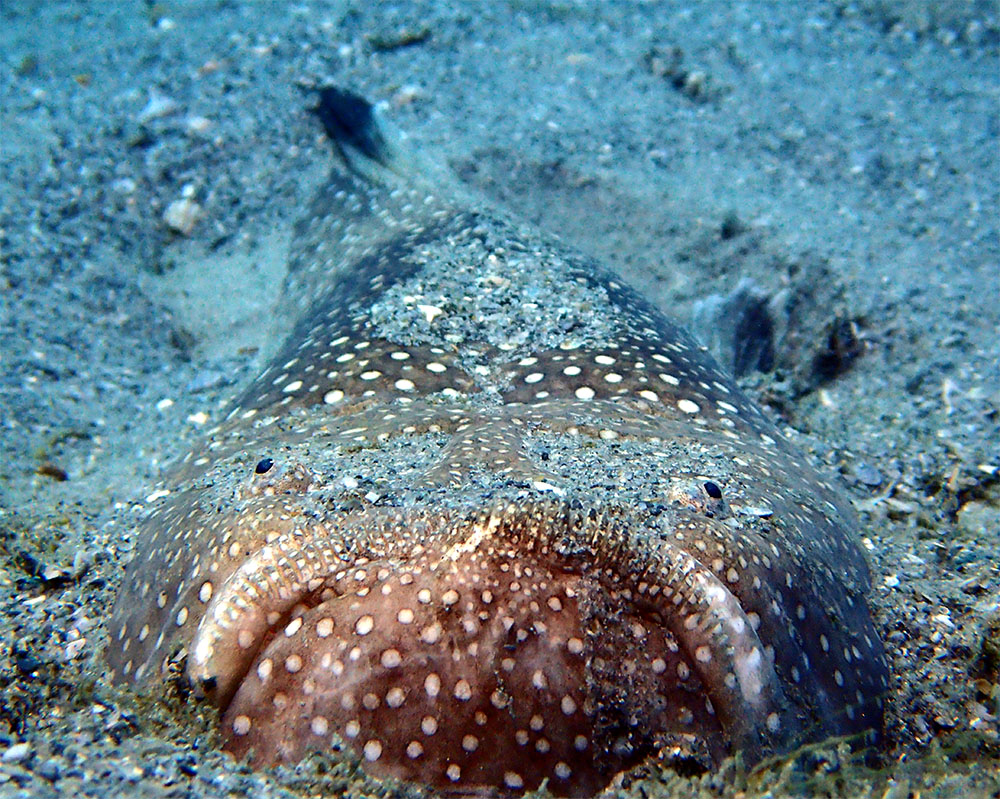
SOUTHERN STARGAZER – IUCN Conservation Status: LEAST CONCERN Stargazers cover themselves in the sand This eyeball belongs to a rarely seen creature called a stargazer. There is a northern stargazer and a southern stargazer. Both look about the same, and the only way you can really tell the difference is the tail of the stargazer, as well […]
Mantis Shrimp
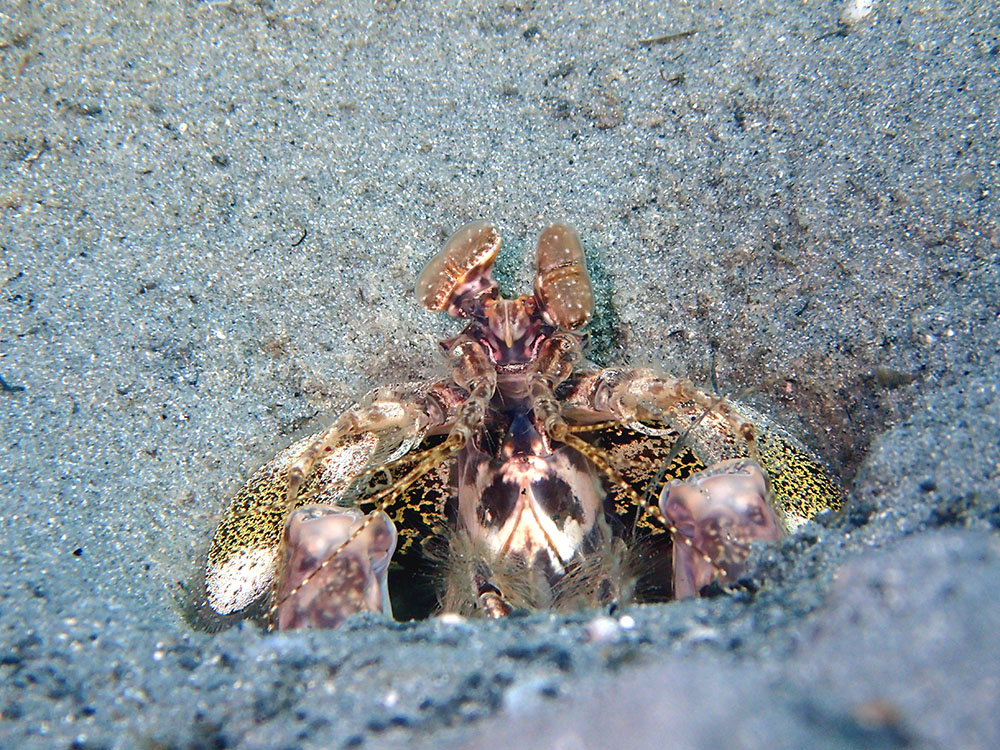
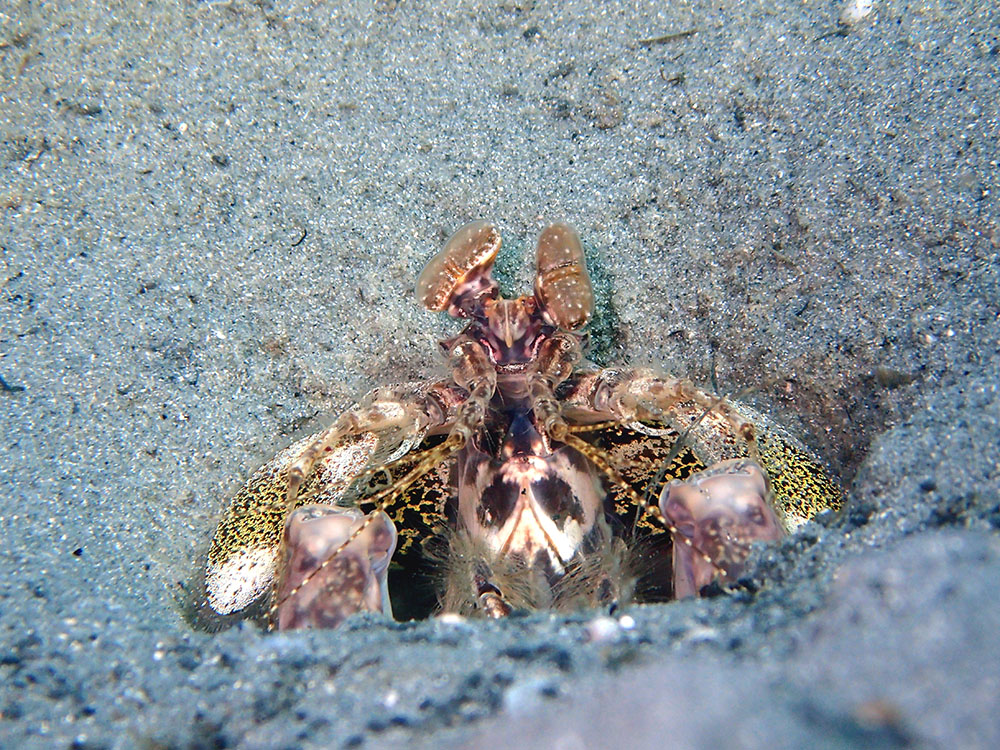
MANTIS SHRIMP – IUCN Conservation Status: Varied The mantis shrimp has one of the most complex visual systems in the animal kingdom This creature is thought to have the most complex visual system in the animal kingdom. How can we break down such a complicated biological system? Let’s start by talking about photoreceptor cells. These cells are used […]
Pygmy Filefish
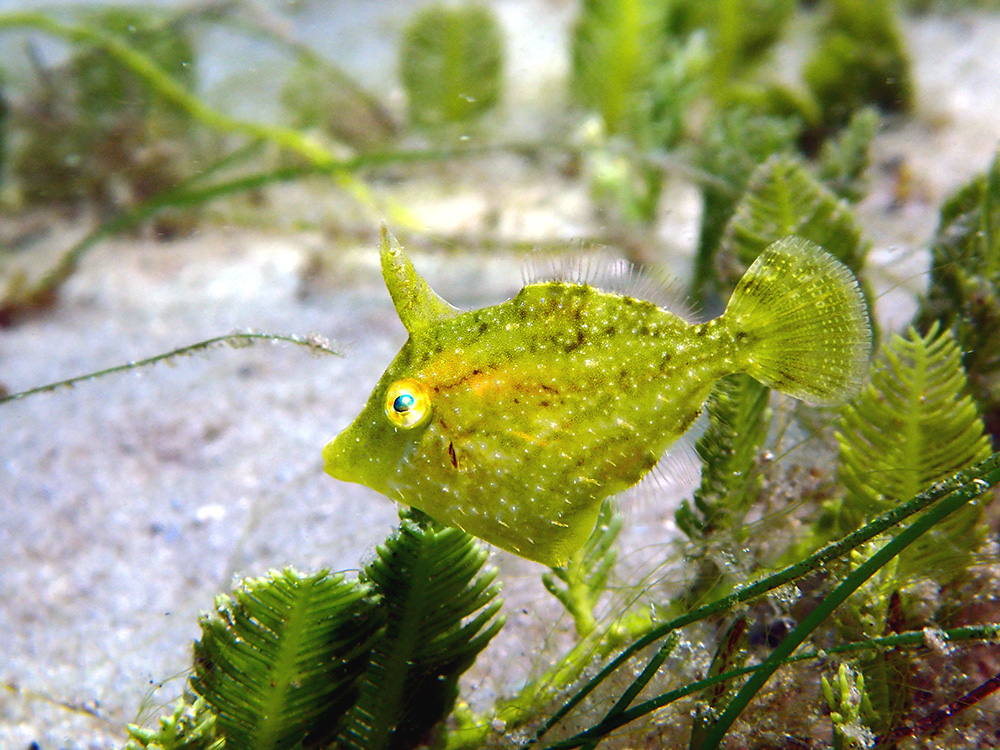
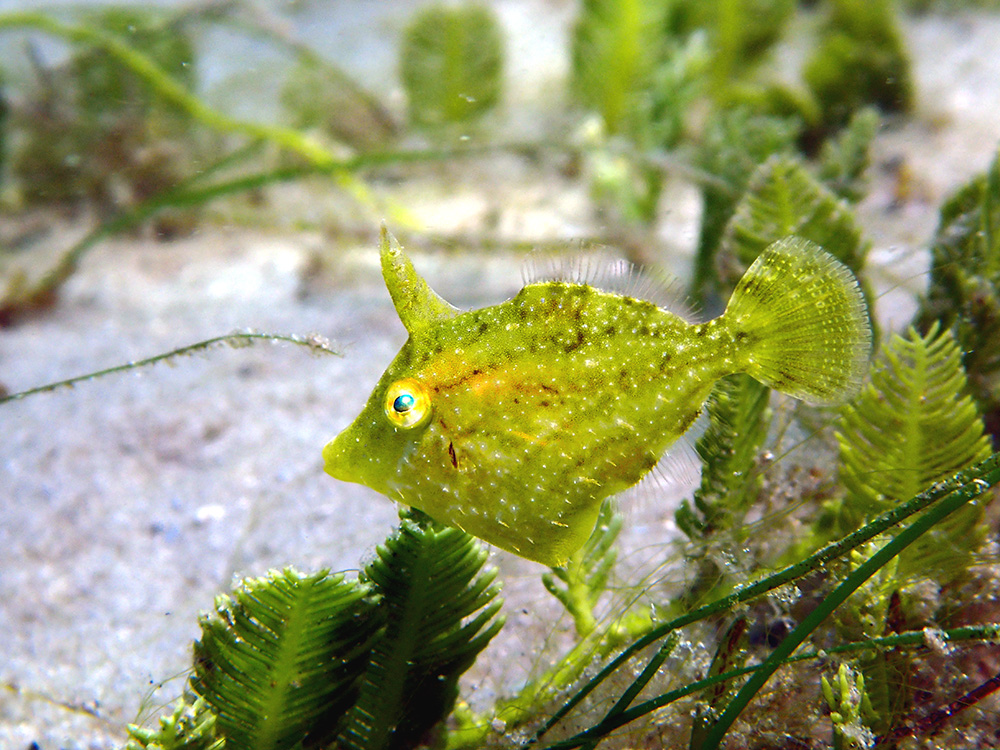
PYGMY FILEFISH – IUCN Conservation Status: LEAST CONCERN The pygmy filefish and the green feather algae are almost the exact same color! This is yet another photo from Blue Heron Bridge in West Palm Beach, Florida. Diving here is like playing underwater Where’s Waldo. There are lots of cryptic creatures that camouflage with the seafloor. Some practice mimicry, […]
Longarm Octopus
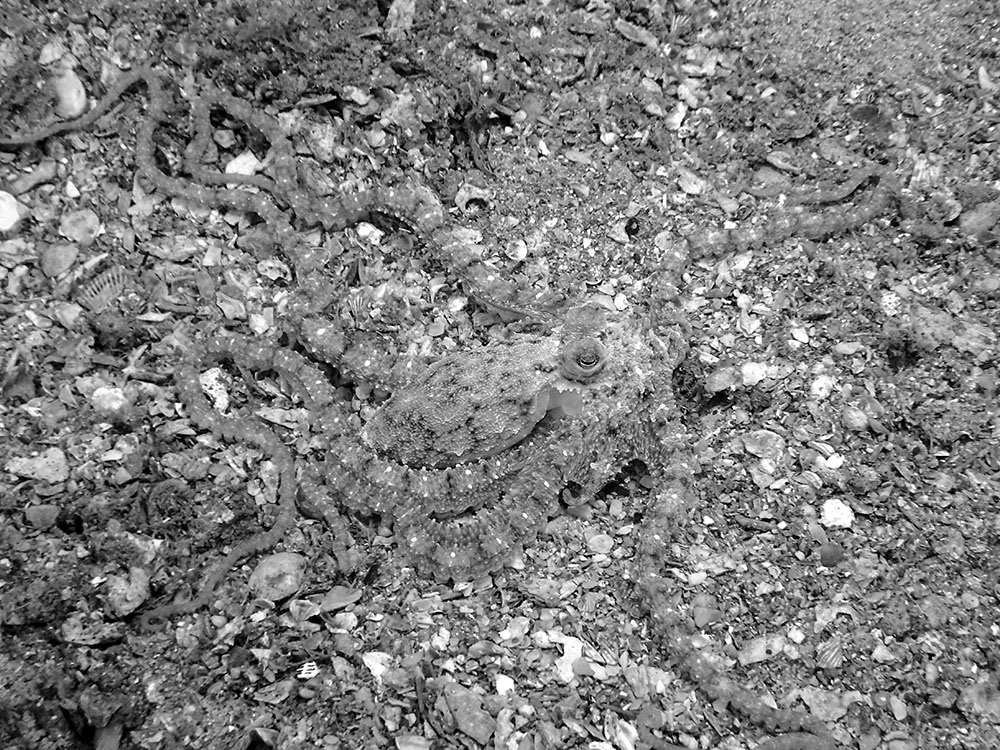
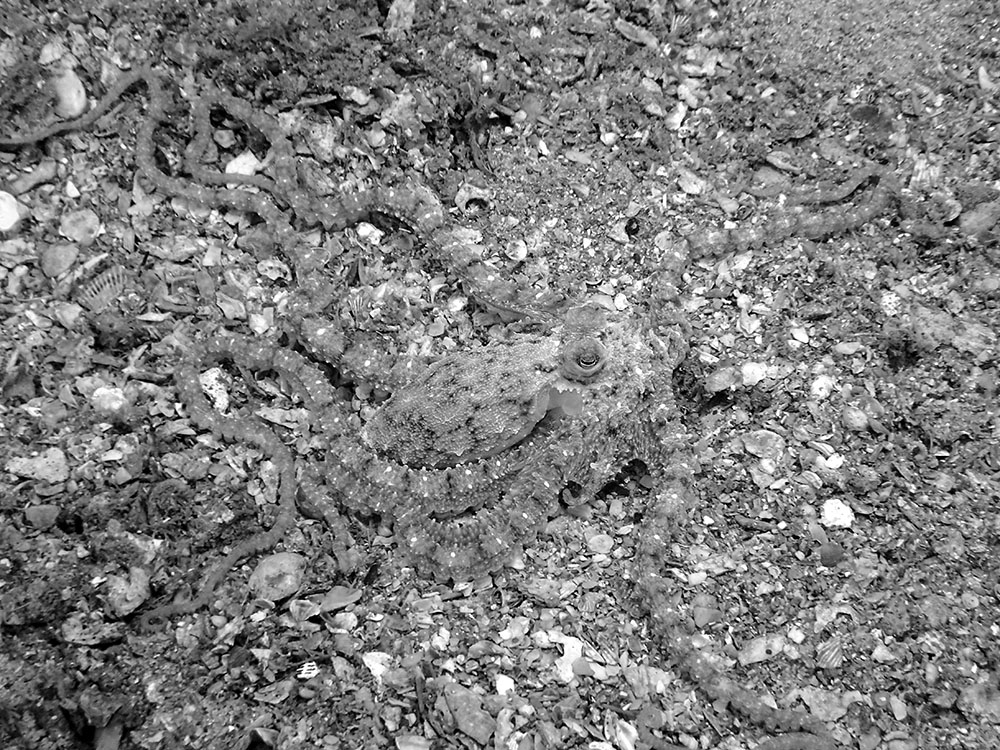
ATLANTIC LONGARM OCTOPUS – IUCN Conservation Status: LEAST CONCERN The longarm octopus can change their color and texture! Can you find the octopus? The eyeball is in the center of the photograph. Once you find the eye, the rest of the octopus appears. As the name suggests, the longarm octopus are known for their long arms. Their arms can […]
Long-Snouted Seahorse
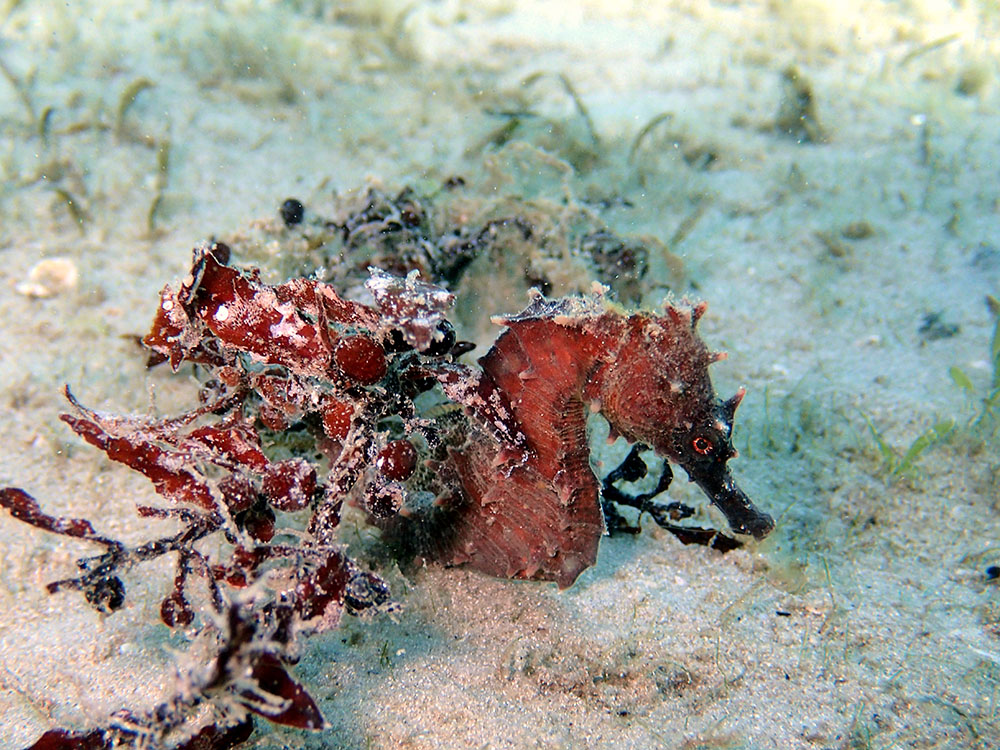
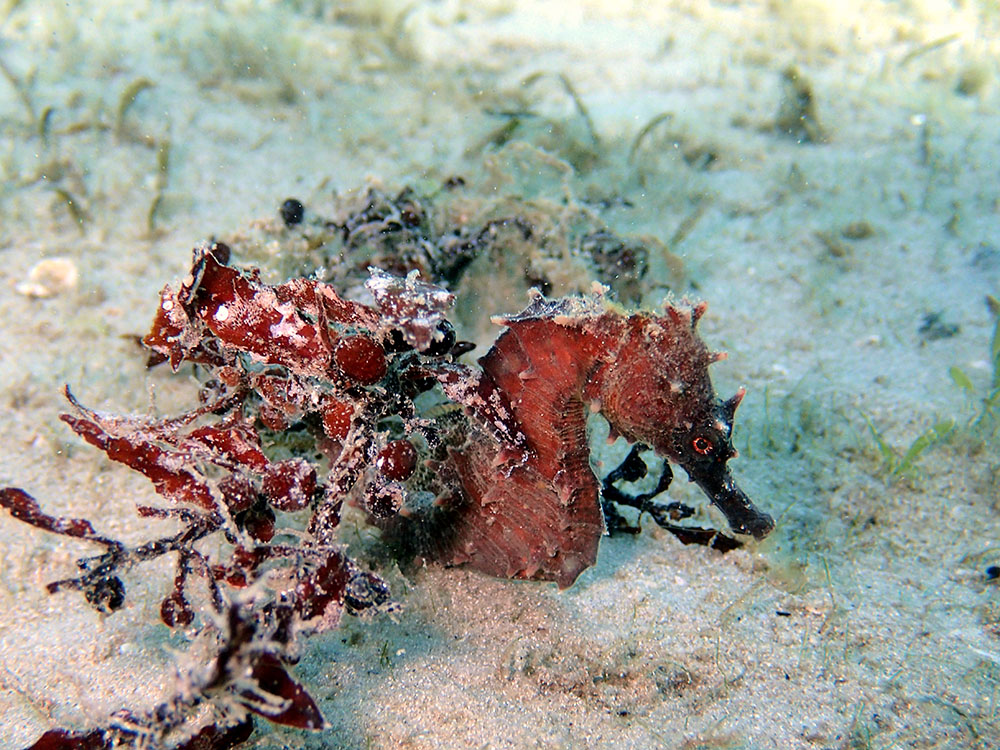
LONG-SNOUTED SEAHORSE – IUCN Conservation Status: DATA DEFFICIENT This long-snouted seahorse may be pregnant! It’s odd to think of seahorses as “fish”, but these ornate creatures are indeed a species of fish. However, unlike a lot of fish, seahorses are not good swimmers. They do have fins and are able to swim, however they rely on the […]
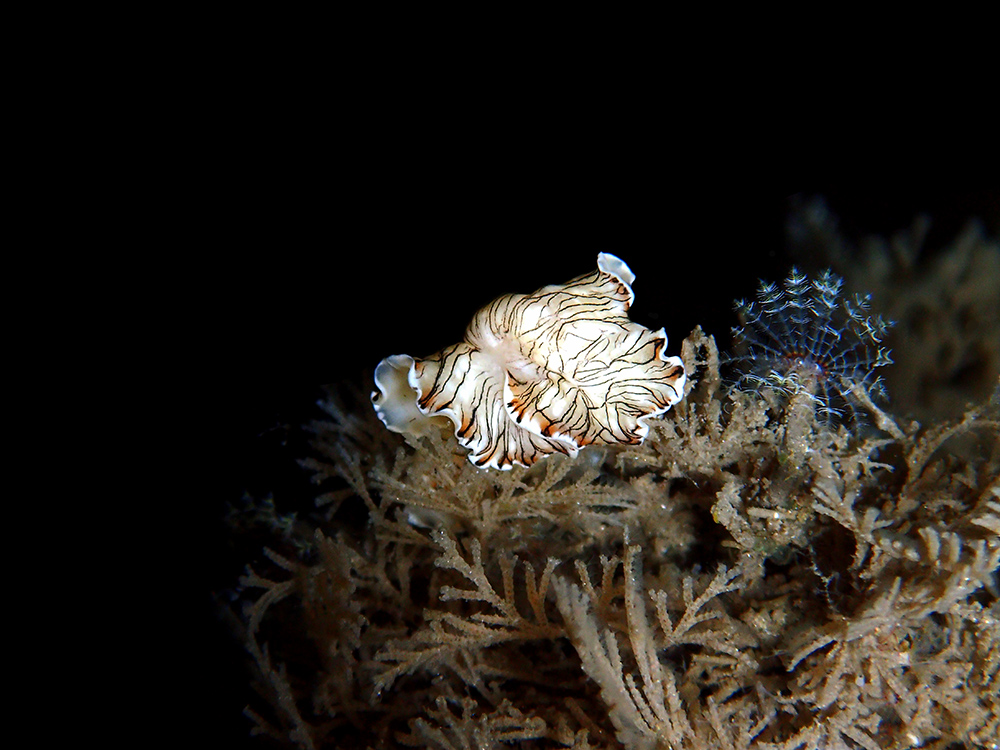
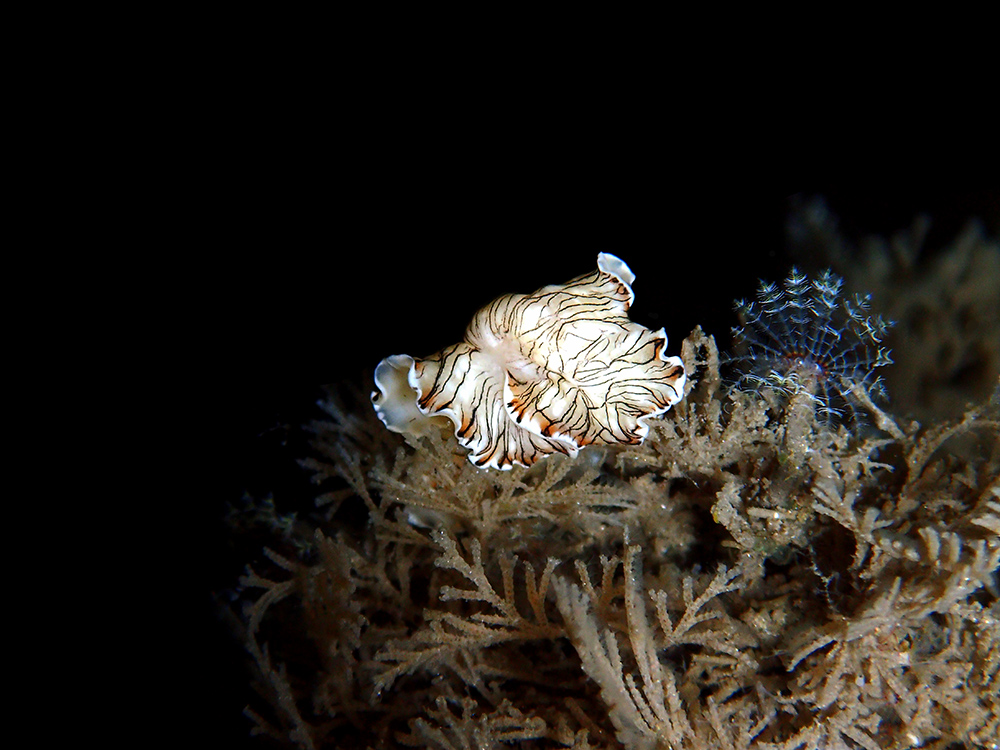
Lined Flatworm
An interesting fact is that lined flatworms can reproduce two ways This interesting marine invertebrate is called a lined flatworm. Although you will also see these called tiger flatworms or Crozier’s flatworm (Pseudoceros crozieri). Although it may look big in this photo, this creature is only one inch long! They are known to live in […]
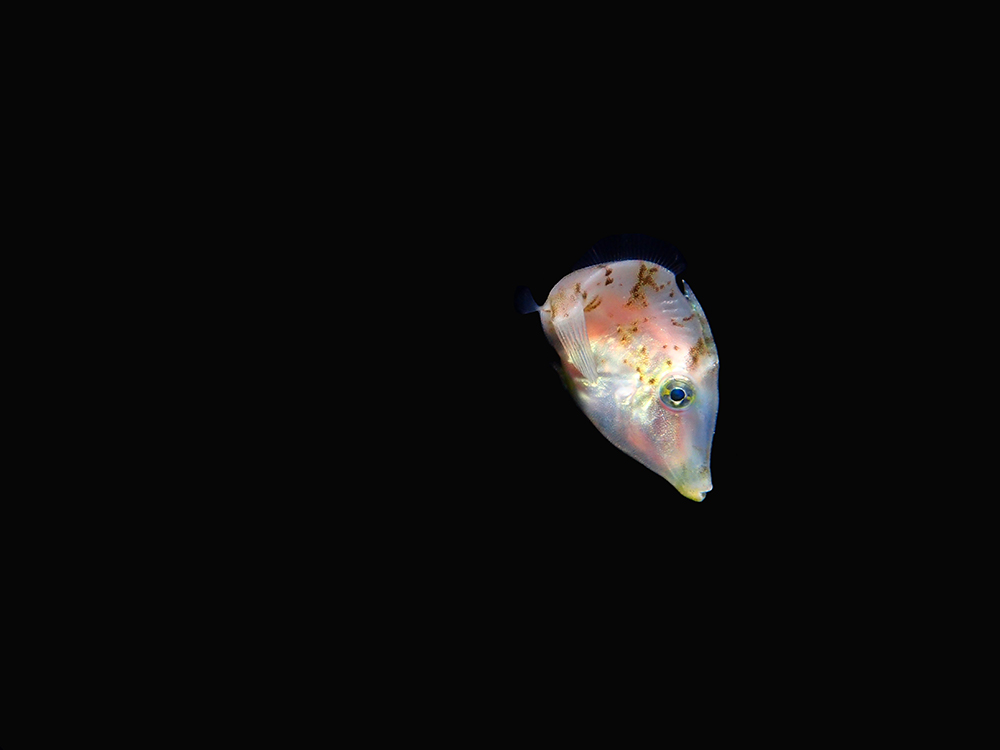
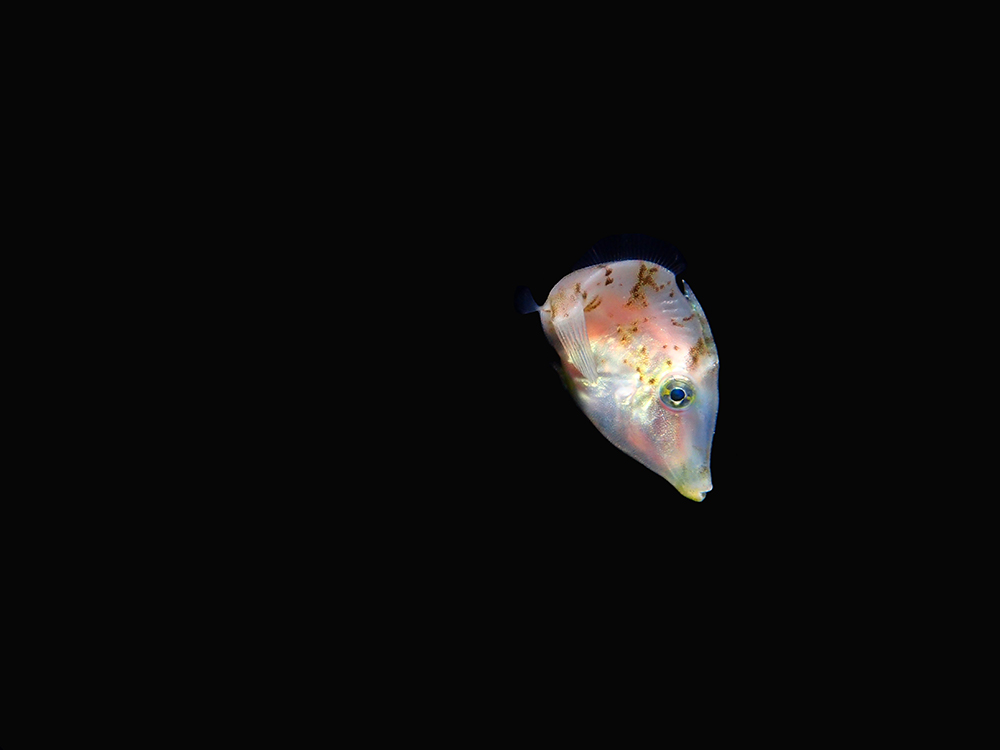
Blackwater Photo of a Juvenile Filefish
SLENDER FILEFISH – IUCN Conservation Status: LEAST CONCERN Blackwater photography is unique because everything you are shooting will typically be within an arm’s reach. I believe this blackwater photo to be of a juvenile filefish. It is only about one to two inches long! This photo was taken during a blackwater night dive off the […]
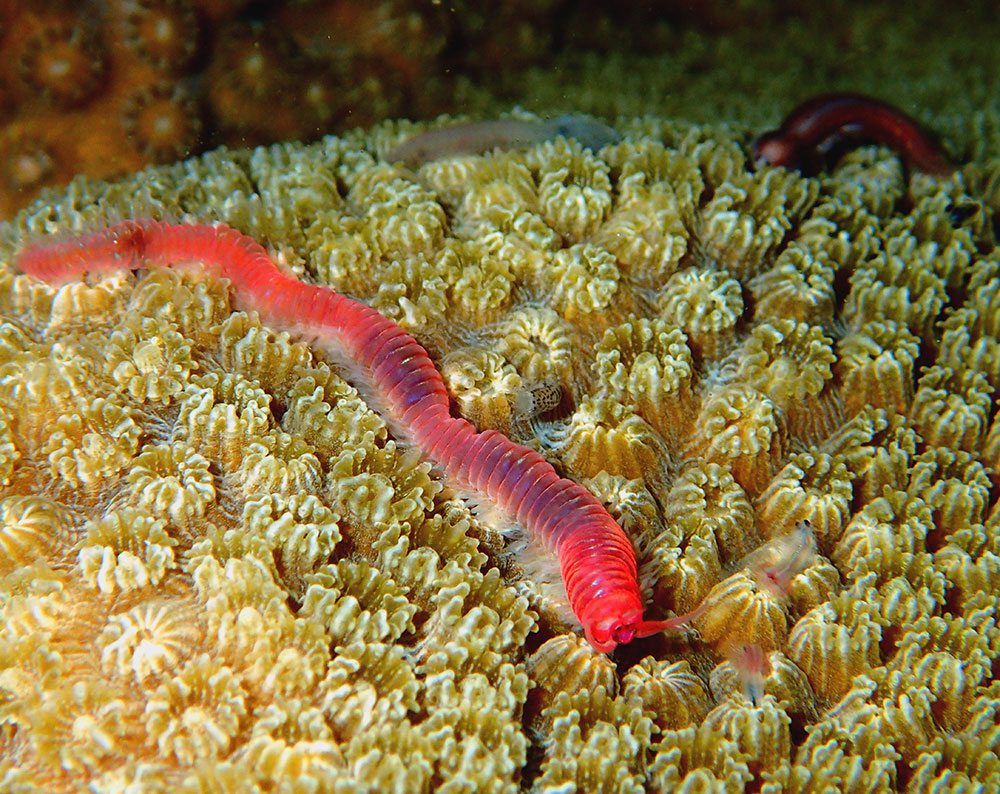
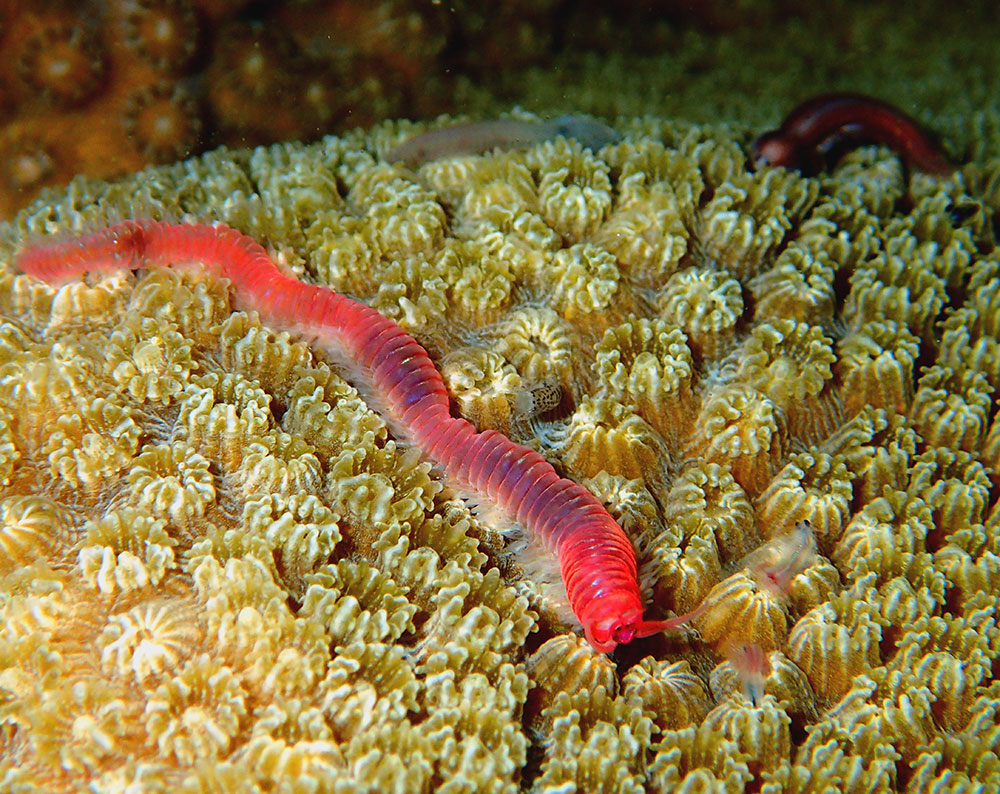
Bloodworm
BOULDER STAR CORAL – IUCN Conservation Status: LEAST CONCERN Bloodworms get their color from the hemoglobin it its body fluid This vibrant red worm gets its color from the hemoglobin in its body fluid. The bloodworm’s mouth is exposed, and if you look close you can even see the four antennae. These bottom dwelling worms […]