
The Road to Hana is known for its iconic winding road that takes you along the eastern and southern coasts of Maui
To take this photo, we had to get up early and set off on the Road to Hana Drive on the island of Maui in Hawai'i. The Road to Hana is known for its iconic winding road that takes you along the eastern and southern coasts of Maui. The sea urchin here is within the Waiʻānapanapa State Park. To access the park, you'll turn off the Hana Highway onto Waiʻānapanapa Road. After a short trip down the road, you'll come to a parking area that provides access to an iconic black sand beach. Jill and I then hopped on the Ke Ala Loa O Maui / Piilani Trail and hiked to the north. It is from this trail that you receive this amazing view of the sea arch.
The Ke Ala Loa O Maui / Piilani Trail is a 3-mile trail round trip. It hugs the shoreline and provides you with views of the Hana coast as well as the slopes of Haleakala. As you hike, you'll be walking over barren lava. With that in mind, be sure to wear sturdy shoes. You'll want something with good traction to keep you from falling on the craggy and sharp lava rock surface.
The sea arch pictured here is made up of lava rock as well. This and other sea arches are made from natural coastal erosion and weathering. Waves will batter the cliffs and concentrate their energy on any pre-existing cracks, faults, or softer rock. This can carve out caves. If the cave becomes deep enough to meet the other side, a natural arch is formed. Arches like this are not permanent, so make sure to see them while you have a chance.
If you're planning a visit to Waiʻānapanapa State Park, there are a few details you should know. There is an entrance fee to visit Waiʻānapanapa State Park. It costs five dollars per person unless you are a Hawai'i resident or a child under the age of three. You will also need to pay a ten-dollar parking fee if you are a non-resident.
There is an entrance fee to visit Waiʻānapanapa State Park
Did you know?
- A reservation system is in place for any visitors to the state park. This helps to maintain the number of visitors to limit the impact to the park and the surrounding neighborhoods.
- Waiʻānapanapa is Hawaiian for “glistening waters”.
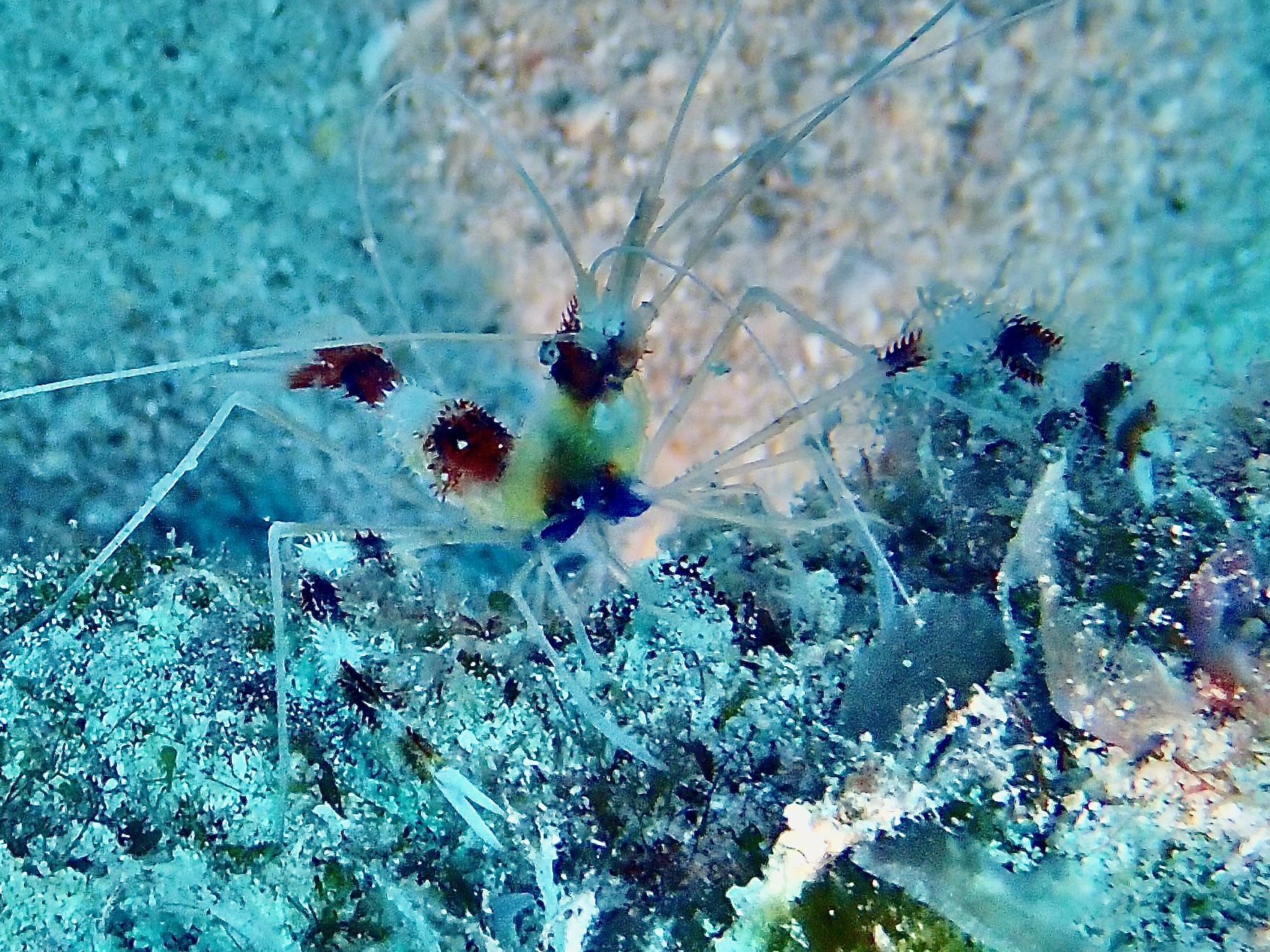
- A Hawaiian legend tells of a young chieftess named Popoʻalaea who fled to the caves here to escape her husband, Chief Kaakae. He found her and took her life, which is why the waters are said to turn red in her memory. The water turns red from the small red shrimp that gather in the waters of the cave each spring.




0 Comments